
¿Qué sucede en la formulación de cargos en Florida? Una guía paso a paso
Jason Goldsmith, Abogado
Obtener una fecha de audiencia ante el tribunal después de un arresto puede hacer que todo se sienta inmediato e incierto. Es posible que haya sido liberado de la cárcel con documentación en la mano. Tal vez recibió una notificación indicándole que comparezca ante un tribunal en el condado de Broward, Miami-Dade, Palm Beach u otro tribunal del sur de Florida. De cualquier manera, la primera pregunta suele ser simple: ¿Qué sucede en la lectura de cargos?
Desde un punto de vista práctico, la lectura de cargos (o comparecencia inicial) es la primera presentación formal ante el tribunal en su caso penal. Es de suma importancia porque el tribunal le notifica formalmente el cargo, aborda sus derechos constitucionales, recibe una declaración inicial y encausa el proceso. También es crucial porque las decisiones tempranas pueden afectar su libertad, su licencia de conducir, su empleo y la ventaja que su defensa tenga en el futuro.
Si siente temor, es una reacción normal. Si se siente confundido, también lo es. Lo que resulta de ayuda es comprender que la lectura de cargos no es el juicio, no es el escenario donde la Fiscalía prueba su caso y no es el momento para entrar en pánico y comenzar a dar explicaciones en plena sala de audiencias.
Índice de Contenidos
Su primer día en el tribunal: Comprensión de la lectura de cargos
Por qué declararse no culpable es su primer movimiento estratégico
Después de la lectura de cargos: Comienza el verdadero trabajo de su defensa
Preguntas frecuentes sobre las lecturas de cargos en Florida
Su primer día en el tribunal: Comprensión de la lectura de cargos
Usted ingresa a una sala de audiencias concurrida vistiendo de manera formal pero bajo una gran presión, escucha que pronuncian su nombre y su ritmo cardíaco se acelera porque espera que este sea el día en que alguien finalmente escuche su versión de los hechos. En Florida, la lectura de cargos usualmente cumple un propósito distinto. Es la primera comparecencia formal ante el tribunal donde el caso se asienta en el expediente oficial y sus derechos constitucionales deben ser protegidos desde el inicio.
Este aspecto suele pasarse por alto con frecuencia.
Como exprocurador de la fiscalía, observé reiteradamente a acusados sin representación legal cometer el mismo error. Trataban la lectura de cargos como si fuera su oportunidad para explicarlo todo. Comenzaban a argumentar por qué el oficial de policía se equivocó, por qué el testigo mintió o por qué el arresto fue injusto. Nada de eso les ayudó en esa etapa procesal. En algunos casos, le dio a la Fiscalía un anticipo de las estrategias de defensa para prepararse, o vinculó al acusado con declaraciones fácticas que luego resultaron incompletas.
La lectura de cargos es un momento estratégico clave. El tribunal identifica el cargo formal, le instruye sobre sus derechos y le solicita una declaración. Aquí no testifican testigos ni se valora la prueba. El juez no está decidiendo ese día si usted es culpable o inocente.
Lo que realmente importa es lo que se logra preservar jurídicamente.
Un enfoque meticuloso en la lectura de cargos protege el margen de maniobra necesario para estructurar la defensa de forma adecuada. Esto puede implicar mantener abiertas todas las opciones de defensa, evitar declaraciones autoincriminatorias que puedan usarse en su contra y asegurar que las condiciones de liberación no se vuelvan más gravosas de lo necesario. Desde la perspectiva de la defensa penal, aquí comienza el trabajo de base. Desde el lado de la fiscalía, puedo asegurarle que notábamos de inmediato cuándo un acusado comparecía preparado, disciplinado y sin revelar detalles de los hechos de forma gratuita.
Regla práctica: Mantenga un enfoque restrictivo. Escuche con atención, responda únicamente a lo que el tribunal le pregunte y no ofrezca voluntariamente detalles sobre el incidente.
En las salas de audiencias del sur de Florida, las lecturas de cargos suelen desarrollarse con celeridad. Los jueces llaman un caso tras otro, y el ritmo puede presionar a las personas a hablar por el simple hecho de llenar el silencio. Resista ese impulso. Una comparecencia breve y serena suele proteger mejor sus intereses jurídicos que una explicación cargada de emotividad.
Ya sea para un cargo de conducir bajo los efectos del alcohol (DUI), cargos por drogas, hurto, denuncias de violencia de género, delitos de armas o asuntos de violación de libertad condicional, esta primera fecha ante el tribunal puede definir el rumbo del caso mucho antes de que se plantee la posibilidad de un juicio. Realizada correctamente, la lectura de cargos le otorga a su abogado defensor el espacio necesario para examinar la detención, revisar los informes policiales y grabaciones de video, evaluar la credibilidad de los testigos, impugnar las vulnerabilidades del caso de la Fiscalía y tomar decisiones desde una posición de control en lugar de reaccionar bajo pánico.
El proceso de lectura de cargos en Florida: Paso a paso
Llaman su nombre. Se dirige al estrado del acusado. El juez cuenta con un expediente voluminoso, el fiscal está preparado y es posible que la audiencia dure solo unos minutos. Ese breve lapso es fundamental porque es donde el tribunal asienta el cargo penal en el expediente formal, confirma el conocimiento de sus derechos, recibe su declaración y encausa procesalmente el caso.
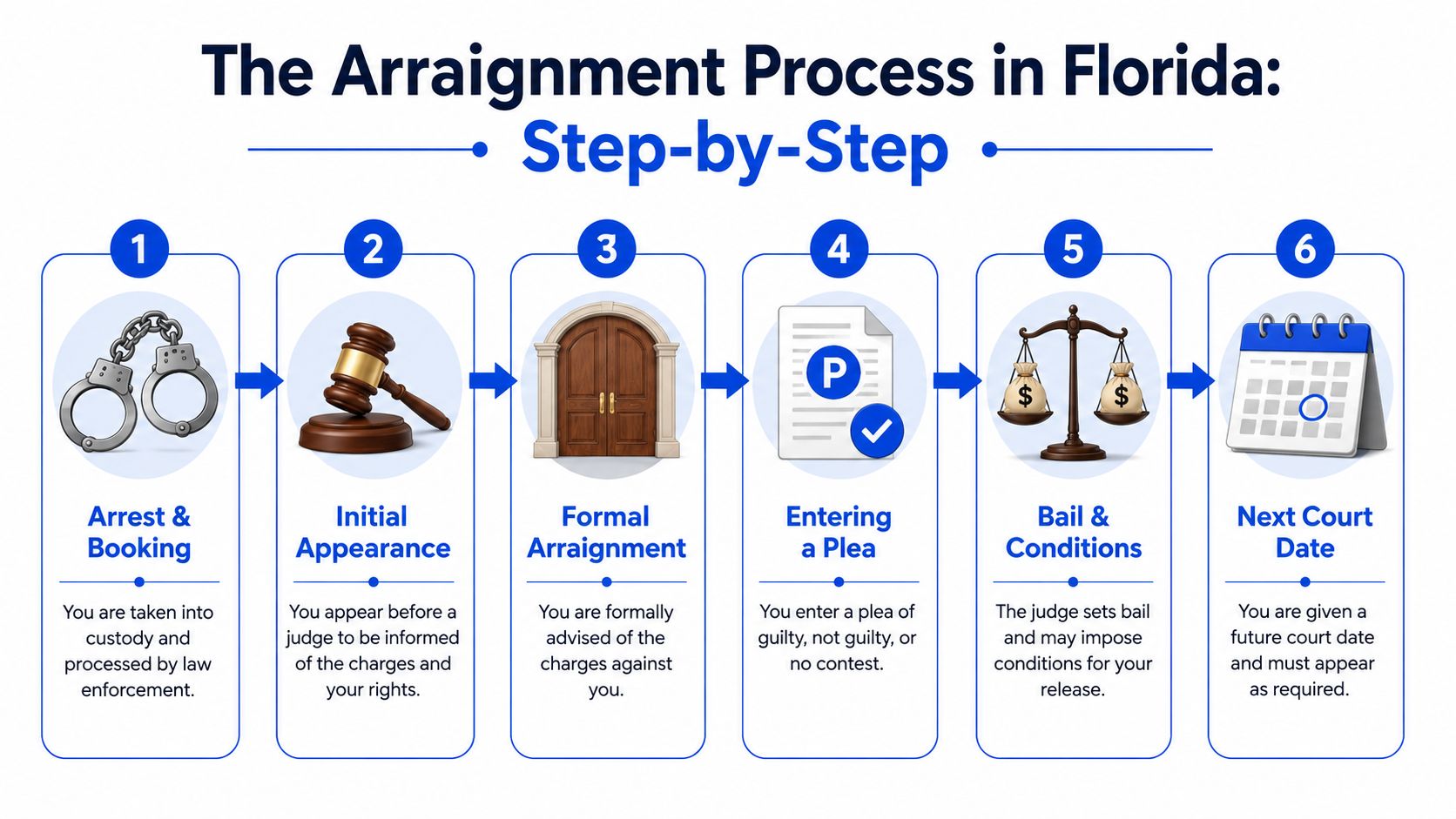
Lectura formal de los cargos
El primer paso es directo. El tribunal lo identifica, ratifica el número de caso y enuncia el cargo penal formal presentado por el Estado.
A veces el juez lee el cargo en voz alta. En otras ocasiones, el abogado defensor renuncia a la lectura formal debido a que ya ha analizado detalladamente el documento de acusación formal con el cliente. Con frecuencia renuncio a esta lectura cuando no aporta ningún beneficio procesal y mi cliente ya comprende plenamente la naturaleza de los cargos presentados. El objetivo de este paso es la notificación formal. Usted posee el derecho constitucional de conocer la acusación exacta antes de que el proceso avance.
Esto puede parecer un mero formalismo, pero posee un valor legal real. El documento de acusación (información formal) le indica a la defensa qué estatuto penal seleccionó el Estado, el grado de la presunta ofensa y qué hechos considera el fiscal que puede probar en juicio. Desde una perspectiva estratégica, esta es la primera pieza del mapa de defensa.
Información sobre los derechos constitucionales
Posteriormente, el juez le informará sobre sus derechos constitucionales. En un tribunal de Florida, esto generalmente abarca el derecho a contar con representación legal, el derecho a guardar silencio y el derecho a que su caso se procese mediante las etapas legales ordinarias en lugar de resolverse de manera sumaria e inmediata.
Esta sección puede percibirse como repetitiva, sobre todo en un tribunal con alta carga de trabajo donde el juez imparte las mismas advertencias a múltiples personas. No obstante, es un asunto de vital importancia. El tribunal está generando un registro oficial de que usted fue debidamente instruido sobre sus derechos y tuvo la oportunidad de ejercerlos. Como exprocurador de la fiscalía, puedo afirmar que los acusados que mantenían la disciplina ayudaban significativamente a sus casos escuchando atentamente y limitando sus palabras al mínimo.
Si usted no cuenta con representación jurídica y califica para la asignación de un defensor público de oficio, este es el momento oportuno en que se resuelve dicho asunto. Si ya cuenta con defensa legal privada, el juez tomará nota y procederá con la audiencia.
Presentación de una declaración
Posteriormente, el tribunal le solicitará que presente su declaración.
En la gran mayoría de los casos penales en Florida, el movimiento estratégico adecuado en la lectura de cargos es la declaración de "no culpable". Esto preserva intactas sus opciones de defensa mientras su abogado analiza los informes policiales, las grabaciones de video, las declaraciones de testigos y cualquier vicio legal asociado con la detención, el registro corporal o vehicular, la identificación del sospechoso o la fundamentación de los cargos. Asimismo, previene errores procesales irreparables. Los acusados a menudo asumen erróneamente que la lectura de cargos es su oportunidad para explicar lo sucedido. Este no es el momento para debatir hechos ante el juez.
A continuación se presenta la diferencia de alcance práctico:
Declaración en lectura de cargos | Implicación procesal |
|---|---|
No culpable | El proceso continúa, la defensa analiza detalladamente las pruebas y se mantiene abierta la posibilidad de interponer recursos o impugnaciones legales. |
Culpable o Nolo Contendere (no disputar) | El caso se traslada directamente a la fase de imposición de sentencia, lo cual implica renunciar prematuramente a derechos sustanciales de juicio. |
La declaración en la lectura de cargos tiene menos que ver con poner fin al caso de inmediato y más con salvaguardar su posición legal óptima mientras su defensa realiza las investigaciones de rigor.
Establecimiento de futuras fechas de audiencia
Tras recibir la declaración, el juez fijará la fecha para la próxima audiencia. En el estado de Florida, esto suele ser una conferencia previa al juicio (pretrial conference), una audiencia de gestión de caso (case management) u otro señalamiento de carácter procedimental, según la gravedad de la ofensa y la jurisdicción condal.
En la lectura de cargos, el proceso penal comienza a estructurarse formalmente. Una vez fijadas las fechas límite, su abogado puede programar términos procesales, solicitar el descubrimiento de pruebas (discovery), ponderar la interposición de mociones previas al juicio y determinar con qué nivel de firmeza conviene impulsar la estrategia de defensa desde temprano. Desde el lado de la Fiscalía, también evaluamos estas señales iniciales. Una defensa que se muestra organizada y rigurosa desde la comparecencia inicial es mucho más difícil de presionar para la aceptación de un mal acuerdo de culpabilidad.
El calendario procesal varía según la jurisdicción del tribunal. Si usted fue arrestado y permanece bajo prisión preventiva, las audiencias preliminares se programarán de forma expedita. Si fue liberado bajo fianza o recibió una notificación formal de comparecencia, la lectura de cargos puede programarse para una fecha posterior. Lo que no varía bajo ninguna circunstancia es la gravedad de no presentarse al tribunal. Si falta a la audiencia, el juez emitirá de inmediato una orden de arresto de ejecución inmediata, convirtiendo un caso manejable en una detención forzosa por desacato de autoridad.
Qué debe esperar de la audiencia
La mayoría de las lecturas de cargos son de corta duración, formales y con un alcance mucho más restringido de lo que el público suele creer. El juez no recibirá testimonios ni la Fiscalía pretenderá desahogar todas sus pruebas en esta etapa. Su abogado se asegurará principalmente de que los trámites esenciales se realicen bajo estricto apego a derecho, que la declaración proteja sus garantías procesales y que su causa quede posicionada favorablemente de cara a la etapa subsiguiente.
Por este motivo, abordo la lectura de cargos como la primera contienda estratégica crucial, no como un mero trámite administrativo. Una comparecencia estructurada de manera inteligente puede preservar argumentos de defensa valiosos y orientar el proceso en una trayectoria de defensa sólida.
Abordaje de la fianza y las condiciones de liberación
Para muchos clientes, la prioridad principal e inmediata es muy clara: ¿Podrán regresar a sus hogares y bajo qué condiciones legales e impositivas?
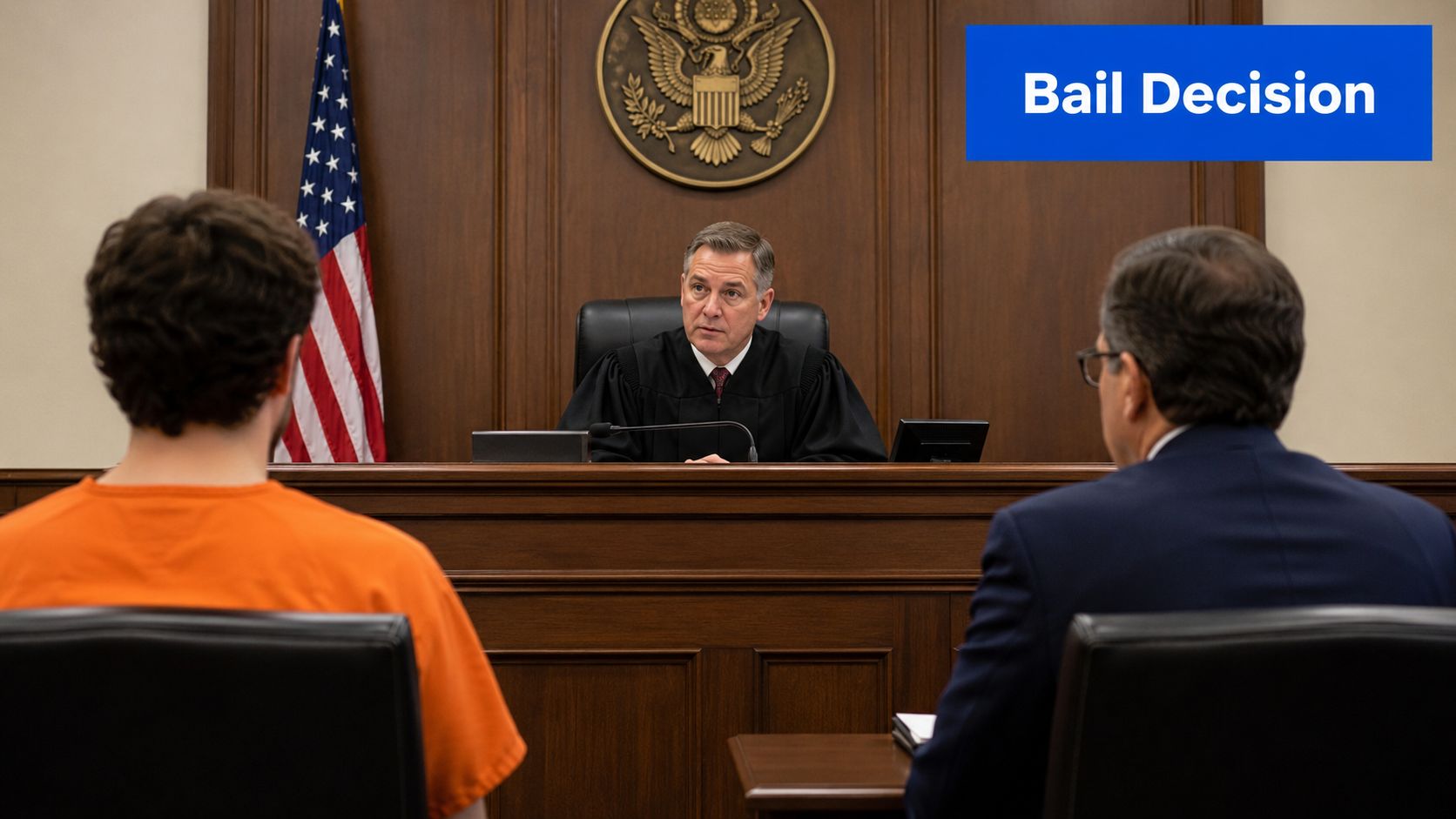
Por qué los términos de liberación son tan críticos
La fijación de la fianza y las condiciones de liberación no son aspectos secundarios o de menor relevancia. Estas determinaciones configuran la realidad y desarrollo de su defensa desde el primer día.
Si el acusado permanece bajo prisión preventiva, la capacidad de conservar el empleo, sostener a su núcleo familiar, recopilar documentos de prueba y colaborar estrechamente con su representación legal para construir una defensa robusta se ve severamente limitada. Por el contrario, si obtiene su libertad sujeta a medidas cautelares sumamente restrictivas, cualquier incumplimiento involuntario puede revocar dicho beneficio judicial inmediato y robustecer la posición de la Fiscalía. Durante mi trayectoria como fiscal, presencié este escenario reiteradamente. Un caso inicialmente débil para el Estado ganaba solidez cuando el imputado infringía una orden de alejamiento, faltaba a una firma obligatoria o daba positivo en controles toxicológicos durante su libertad condicional.
Es por ello que encaro la fianza y las condiciones de liberación como el primer frente de batalla procesal. El objetivo técnico no es solo lograr la excarcelación, sino asegurar que las condiciones impuestas sean jurídica y materialmente viables para el cliente.
En los tribunales de Florida, estas medidas alteran radicalmente la vida cotidiana de forma inmediata. Un cargo de violencia doméstica puede acarrear una orden de alejamiento absoluta sin derecho al domicilio familiar. Un cargo de conducción bajo los efectos del alcohol (DUI) puede resultar en una restricción total de la licencia de conducir. Los casos de sustancias ilícitas conllevan a menudo pruebas de laboratorio obligatorias, y las ofensas por armas implican el decomiso o entrega inmediata de todo equipo balístico.
Ciertas personas pueden postularse eventualmente para vías alternativas que evitan antecedentes penales, tales como los programas de intervención previa al juicio en Florida, pero ninguna de estas herramientas procesales es viable si se cometen violaciones de las condiciones de libertad en etapas iniciales.
Condiciones comunes de liberación en casos de Florida
Los juzgadores suelen imponer determinaciones que aparentan ser sencillas hasta que la vida cotidiana y las obligaciones se contraponen. Dedico el tiempo necesario para cerciorarme de que mis representados conozcan el alcance exacto de cada restricción judicial impuesta.
Las condiciones cautelares más habituales incluyen:
Órdenes de no contacto (alejamiento): Prohibición absoluta de comunicaciones por vía telefónica, SMS, redes sociales, terceras personas o encuentros presenciales con la presunta víctima o testigos de cargo.
Obligación de no incurrir en nuevas infracciones de ley: Cualquier nuevo arresto o altercado durante el proceso activo arruinará la credibilidad del acusado y revocará de inmediato los beneficios de libertad provisional.
Restricciones de sustancias y alcohol: Sometimiento regular a exámenes toxicológicos obligatorios o mandatos judiciales de abstinencia absoluta.
Inhabilitación de tenencia de armas: Entrega inmediata a las autoridades de armas de fuego y municiones autorizadas o de uso civil.
Restricciones de movilidad territorial: Retención de documentos de viaje y prohibición de abandonar los límites condales o estatales sin autorización previa por escrito del juzgador.
Obligaciones de presentación periódica: Requisitos estrictos de firma y actualización de datos ante las oficinas de servicios de supervisión del tribunal.
La peligrosidad real de estas medidas radica en que las violaciones suelen ocurrir en situaciones cotidianas e imprevistas: un traslado en auto compartido con la persona inapropiada, un mensaje de texto aparentemente inofensivo para resolver un asunto de manutención familiar o una cita de control omitida por contratiempos de transporte. Los jueces rara vez se muestran comprensivos hacia estas explicaciones cuando se analizan de manera posterior al incumplimiento decretado.
Tras una audiencia sustancial, este análisis detallado le proporcionará una comprensión exhaustiva de la manera en que se gestionan y resuelven los litigios de fianza en materia penal:
Qué beneficia y qué perjudica a su caso
Al evaluar la viabilidad de la libertad condicional, los juristas se fundamentan en tres interrogantes fundamentales: ¿Comparecerá puntualmente el acusado en las convocatorias del tribunal? ¿Cumplirá cabalmente con las restricciones procesales impuestas? ¿Existe un peligro inminente para la seguridad de la comunidad que el tribunal deba restringir?
Los factores que juegan a favor del acusado incluyen contar con una residencia estable comprobable, una relación de empleo formal activa, dependientes económicos bajo su cuidado directo, ausencia de antecedentes delictivos sustanciales y un plan logístico claro de transporte y acatamiento procesal. Un abogado que exponga estos factores con claridad técnica brinda al juzgador bases jurídicas sólidas para dictaminar medidas moderadas y adaptadas, descartando así la imposición automática de prisión preventiva u otras restricciones severas de manera estandarizada.
La conducta adoptada ante el foro judicial reviste mayor trascendencia de la que suele presumirse. Desde el estrado de la fiscalía, era evidente cómo la disposición y criterio del juez fluctuaban negativamente cuando un imputado incurría en interrupciones, mostraba ademanes de desprecio o actuaba con altivez ante el proceso penal formal. Dicha proyección inicial le posiciona ante el órgano de control como un infractor reacio a someterse a la ley, entorpeciendo los argumentos dirigidos a la reducción de su fianza.
Los factores de claro perjuicios son igualmente anticipables:
Emitir declaraciones fácticas apresuradas y sin asesoría previa: Corriendo el grave riesgo latente de verbalizar datos autoincriminatorios.
Interrumpir al juzgador, la contraparte ministerial o los auxiliares del tribunal: Evidenciando falta de discernimiento y descortesía ante la autoridad judicial decisora.
Asentir a mandatos y restricciones sin total comprensión de su alcance real: La confusión o desconocimiento posterior no operarán como eximentes de sanción penal por incumplimiento.
Asumir que la excarcelación provisional es un derecho automático indiscutible: El juez requiere elementos racionales fundamentados para conceder dicho voto de confianza.
Diversas estrategias de defensa técnica se ven frustradas de manera temprana sencillamente porque la persona liberada provisionalmente no prestó debida atención a los términos precisos del mandato judicial que regulaba su movilidad, contactos autorizados o causales de revocación.
El proceder más seguro es invariable y estricto: escuche con cautela, restrinja sus alocuciones a menos que su abogado le indique expresamente manifestar algo, y asegúrese de egresar de la sala de audiencias con pleno conocimiento de los pormenores y alcances de cada restricción que rige su causa. De esta forma, protege su derecho fundamental de libertad y fortalece la solidez de su futura defensa técnica.
Por qué declararse no culpable es su primer movimiento estratégico
En la gran mayoría de los casos de índole penal en la jurisdicción del estado de Florida, interponer formalmente una declaración de no culpable durante el desarrollo de la lectura de cargos constituye el primer paso estratégico de rigor profesional. Esta máxima adquiere una relevancia crítica en delitos de DUI, ofensas por narcóticos, hurtos, cargos relativos a armamento e imputaciones por violación de términos de libertad condicional, donde las decisiones jurídicas de primera fase condicionan el devenir de toda la causa.
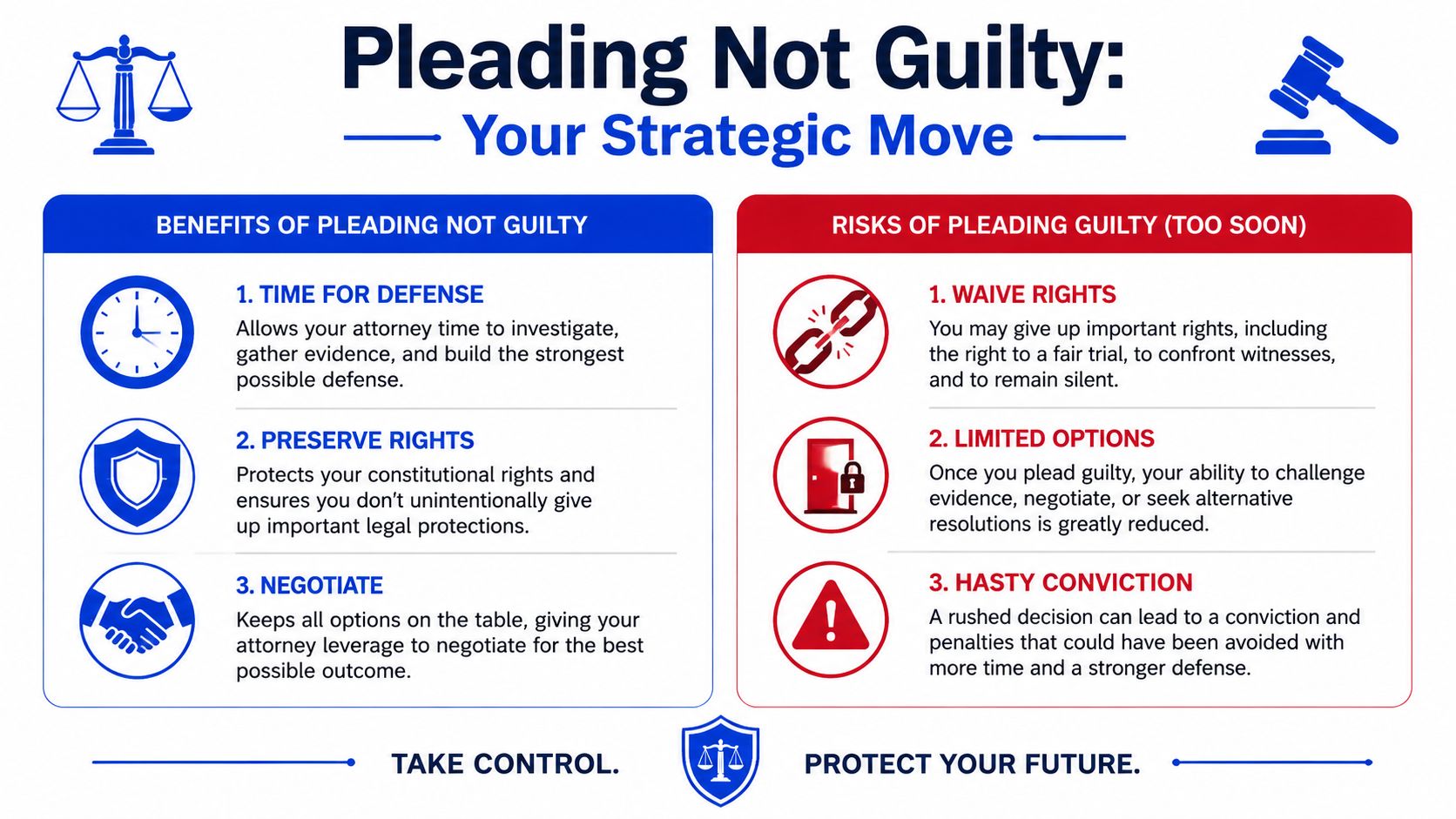
"No culpable" no es una declaración personal
Algunos asistidos manifiestan preocupación al presuponer que una declaración formal de no culpabilidad constituye un acto de falsedad u obstrucción. Esta percepción es jurídicamente errónea.
La declaración de no culpabilidad constituye una postura procesal formal que resguarda sus garantías constitucionales y exige de forma obligatoria que el Estado cumpla a plenitud con la carga de la prueba que le corresponde. Le concede a su equipo de defensa penal un valioso espacio temporal para auditar minuciosamente las actas que integran la investigación policial, los registros de videovigilancia incorporados, los testimonios recabados, la veracidad de los análisis periciales y la legalidad material detrás de la parada forzosa, retención y detención efectuada. Del mismo modo, mantiene expeditos ciertos recursos procesales destinados a propiciar sobreseimientos, disminuciones de calificación jurídica, admisiones a vías de solución alternativa de conflictos, entre los que destacan programas referenciados en esta sección sobre intervenciones previas al juicio en Florida.
El Estado de Florida ha dirimido una acusación formal de cargos. Una declaración procesal de no culpabilidad le señala objetivamente al juez que la procedencia y solidez jurídica de dicha imputación aún debe someterse a escrutinio.
Cuándo una declaración temprana puede deparar efectos adversos
Es cierto que existen infracciones menores que admiten una resolución expedita durante el propio acto de lectura de cargos. No obstante, que sea procesalmente viable no implica bajo ningún criterio que sea la resolución aconsejable para el justiciable.
Normativas y manuales procedimentales de las cortes estatales previenen explícitamente que realizar una declaración prematura de admisibilidad de culpabilidad anula cualquier capacidad o margen de negociación previo al desahogo formal de descubrimiento de pruebas y diligencias de moción previa. Adicionalmente, especifican que la comparecencia inicial representa un punto donde con habitualidad se incurre en errores de estrategia irreparables en causas relativas a delitos de DUI, ofensas de drogas, robos o cargos de portación de armas de fuego, escenarios donde el litigio estratégico inmediato incide profundamente sobre derechos de fianza, revocación de licencias administrativas y la tipificación legal final, según advierten guías doctrinales de asistencia en primera comparecencia y lectura de cargos del estado de Massachusetts.
Dicha premisa es perfectamente aplicable para el marco legal de Florida. Una admisión abrupta de responsabilidad judicial sepulta posibilidades de defensa legítima sin que su representante legal haya tenido acceso objetivo a los elementos de convicción de cargo. Implica a su vez aceptar efectos jurídicos directos y colaterales sin que se haya procedido a auditar la procedencia de la parada vehicular, el allanamiento practicado, la veracidad técnica de los informes de testigos de cargo o la cadena de custodia de las pruebas obtenidas. Ante una renuncia explícita de derechos sustantivos, los mecanismos de reversión procesal resultan excepcionales y sumamente complejos.
Durante mi desempeño en el cargo de fiscal, este constituyó uno de los patrones conductuales de mayor concurrencia. Las causas penales proyectan su mayor solidez de pretensión precisamente al inicio, antes de que el defensor cuente con la prerrogativa de someterlas a fiscalización rigurosa. Es precisamente por este principio que el primer actuar idóneo consiste en moderar el ritmo del litigio y conservar incólume todo recurso e instrumento de defensa que le asista bajo el marco legal.
Cómo prepararse para su audiencia de lectura de cargos
Una meticulosa preparación procesal no va a disipar por completo el nivel de tensión inherente, mas evitará exponencialmente tropezar con errores prevenibles. Ante las sedes judiciales correspondientes a los condados de Broward, Fort Lauderdale, Miami-Dade y Palm Beach, los indiciados que logran comparecer con mayor éxito son aquellos que adoptan un esquema estructurado, sereno y acatan con estricta rigurosidad las directrices de los oficiales y del juzgador.
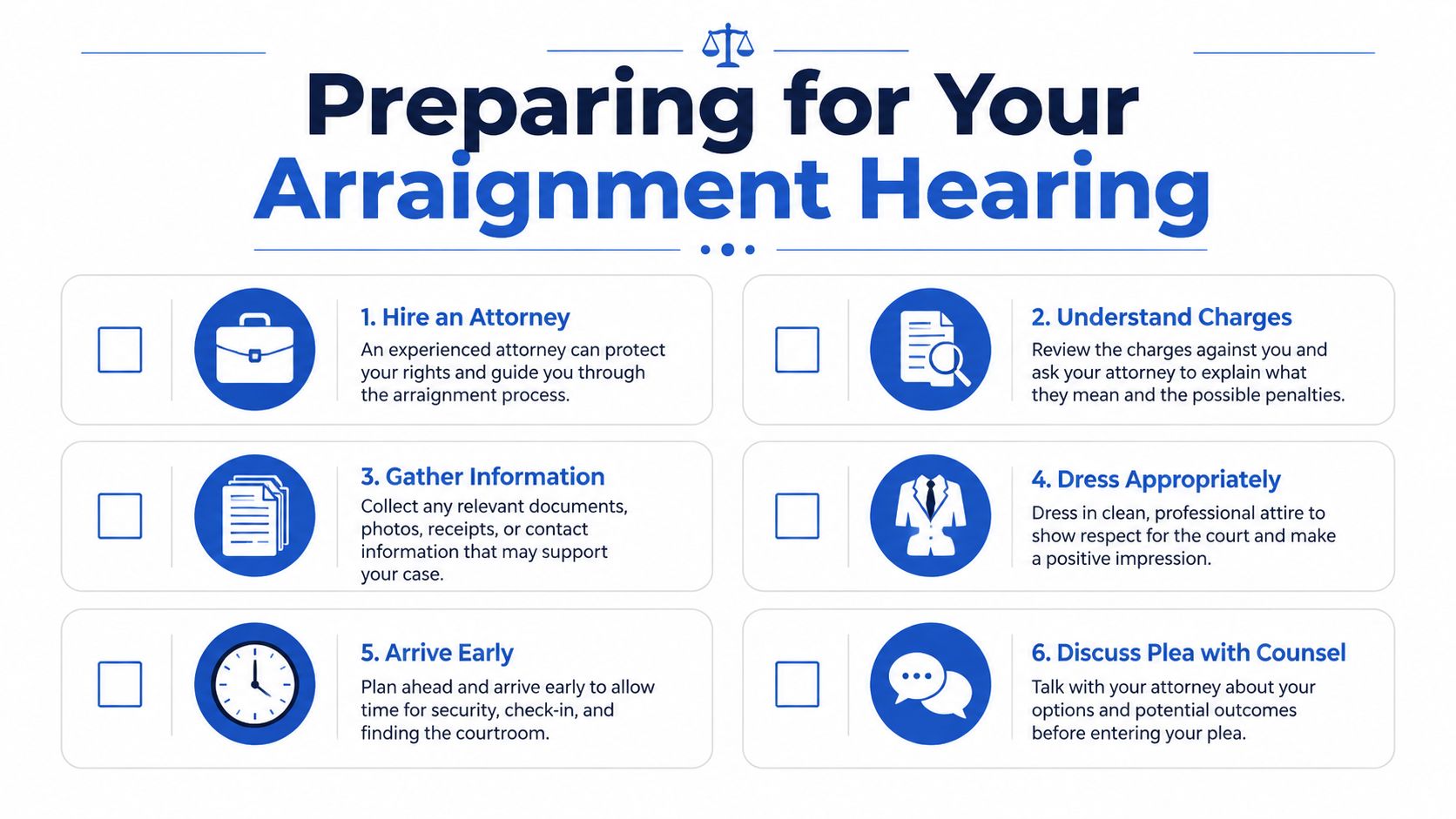
Qué llevar y cómo presentarse
Un breve catálogo de preparativos fundamentales resultará de enorme utilidad preventiva:
Documentación de identificación personal útil: Porte consigo su cédula de identidad con fotografía oficial legible y los documentos de notificación del tribunal.
Portar la citación formal o resoluciones de libertad bajo fianza: Es de suma importancia tener consigo las precisiones sobre la sala designada, fecha y hora de comparecencia, código de causa e imputación formal.
Presentación y decoro en la vestimenta: No se requiere indumentaria costosa. Se exige presentarse con el respeto y formalidad que amerita el solemne acto de administración de justicia.
Comparecer con margen de tiempo anticipado: Tenga presente que la búsqueda de estacionamiento, las filas de control de acceso y los procesos de revisión de seguridad del edificio judicial pueden deparar demoras considerables.
Tener plenamente localizables los datos de identificación de su defensor: En caso de que se haya formalizado la representación o si se contempla la asistencia presencial conjunta, el tribunal deberá tomar nota formal de dichos datos.
En el supuesto de que no haya entablado comunicación con un asesor jurídico a la fecha, evite postergar este asunto hasta la víspera de la cita. Puede hacer uso del conducto de este formulario confidencial de envío de causas penales para canalizar su información directamente ante una oficina de defensa técnica penal de forma previa al inicio de la diligencia.
Conductas en la sala de audiencias que protegen sus derechos
El comportamiento desplegado en sala incide directamente sobre el desarrollo de la audiencia de juicio de la jornada y puede repercutir de forma favorable o desfavorable sobre la credibilidad y apreciación general que transmita.
Ciertas pautas básicas observan un carácter imperativo:
Restringir el uso de la palabra únicamente a requerimiento expreso del juez. La audiencia de lectura de cargos no constituye la sede procesal ni el momento destinado para argumentar y exponer su versión fáctica ante el foro.
Apagar o silenciar por completo sus dispositivos de comunicación portable. La activación sonora de un móvil en plena audiencia genera de inmediato una percepción de informalidad y falta de respeto al juez.
Manifestar cortesía y corrección hacia todos los presentes. El trato respetuoso debe extenderse a los auxiliares judiciales, alguaciles, escribanos y personal general de la sede.
Abstenerse de comentar pormenores de la causa en los corredores exteriores. Miembros de la fiscalía, de las corporaciones de policía o testigos contrarios pueden concurrir en las proximidades inmediatas y escuchar sus expresiones.
El siguiente cuadro analítico de acciones idóneas y conductas prohibidas resume estas premisas:
Acciones correctas (SÍ) | Acciones incorrectas (NO) |
|---|---|
Llegar con anticipación debida y anunciarse formalmente. | Presuponer de forma errónea que el tribunal esperará el arribo del retrasado. |
Escuchar con absoluta atención y mesura. | Interrumpir de palabra la intervención del juzgador de la causa. |
Consultar inquietudes con su defensor técnico en estricto privado. | Explicar los pormenores fácticos en voz alta ante el público general. |
Acatar meticulosamente cada mandato de liberación concedido. | Asimilar las determinaciones judiciales como facultativas o sugerencias. |
Hábito en el foro judicial: Cuanto menor sea el volumen de información que externe voluntariamente sobre la causa antes de que su abogado la dictamine, menor será la cantidad de obstáculos que deberá subsanar su defensa penal.
De cara al trámite de una audiencia de lectura de cargos en dependencias de los condados del sur de Florida, anticipe retos de carácter logístico ordinario. El tráfico metropolitano, las disponibilidades de estacionamiento, los tiempos de ascenso de elevadores y los puntos de revisión técnica corporal son factores a ponderar. Cualquier demora ante juzgados de Broward, Miami-Dade o Palm Beach puede dar pie de inmediato a declarar su inasistencia, complicando severamente su situación jurídica procesal en un solo día.
Después de la lectura de cargos: Comienza el verdadero trabajo de su defensa
Una vez concluido el acto de instrucción material y lectura de cargos, la causa ingresa finalmente en un terreno propicio para la construcción de la defensa de fondo. Es en esta fase cuando la estrategia técnico-jurídica pasa de una postura de contención elemental hacia una posición de riguroso análisis probatorio.
Qué hace su abogado a continuación
La tarea inmediata radica en garantizar que la debida intervención de la defensa quede formalmente instrumentalizada y que la causa se encauce por la vía procesal pertinente. Según la tipicidad del hecho investigado y la respectiva demarcación judicial, esto implica entablar de manera formal los escritos de personamiento, contestación de cargos formalizada, requerimiento exhaustivo de desahogo de elementos probatorios y presentación de incidentes procesales reguladores del litigio subsiguiente.
Es a partir de este punto donde se procede al examen crítico de los elementos probatorios de cargo. En causas de DUI (conducción bajo efectos del alcohol), esto comprenderá impugnar la sospecha razonable de la detención vehicular, auditar el contenido videográfico de cámaras corporales de los agentes, interrogar sobre los protocolos de pruebas psicofísicas y de campo de sobriedad, desvirtuar los informes de dosimetría de alcohol o salvaguardar la vigencia de licencias administrativas. En casos de delitos por estupefacientes, comprenderá un pormenorizado análisis de la legalidad de los cateos, la legitimidad jurídica del decomiso realizado e indagar sobre los nexos reales de posesión del objeto material. En ofensas patrimoniales o imputaciones por conductas violentas, se traducirá en la confrontación técnica de narrativas de testigos, el análisis cronológico y pericial de cámaras y la viabilidad del nexo causal argumentado por la parte acusadora.
Un aspecto medular de este quehacer jurídico consiste en determinar la viabilidad jurídica de solicitar la exclusión de elementos probatorios estatales de forma previa a la sustanciación de la etapa de juicio. En el supuesto de que los agentes del orden hayan recopilado elementos de convicción vulnerando garantías de rango constitucional, la interposición de un incidente de exclusión probatoria cobra carácter prioritario; en este enlace sobre mociones de supresión de evidencia se detallan los motivos y alcances por los que este recurso tiene el potencial de redefinir radicalmente la trayectoria de una causa.
Por qué esta etapa define el éxito del caso
La lectura de cargos se erige como una etapa formal obligatoria mas no representa, por regla común, el escenario donde se dirime y resuelve de forma absoluta la inocencia o desestimación de la causa penal. El éxito material se fundamenta estrictamente en la labor posterior de litigio técnico de fondo.
Esto conlleva un análisis analítico orientado a localizar vacíos procedimentales de acusación desde etapas tempranas, blindar al investigado ante la ocurrencia de infracciones colaterales imprevistas a sus medidas restrictivas de fianza, consolidar recursos procesales legítimos a interponer por la defensa y obligar al órgano de representación social a justificar técnicamente el alcance de su acusación mediante pruebas idóneas de cargo, descartando la mera presunción incriminatoria de los hechos. En ciertas ofensas clasificadas como delitos menores, la ley permite que el abogado asuma la representación en comparecencias de orden formal o rutinarias, disminuyendo la afectación directa y de tiempo en la vida de la persona.
Asimismo, de cara a la selección y designación de profesionales expertos en la jurisdicción del estado de Florida, la firma Ticket Shield, PLLC brinda servicios de defensa penal substantiva para la atención de delitos de DUI, ofensas por sustancias controladas, delitos patrimoniales, portación ilegal de armas y procedimientos de revocación de libertad provisional. Más allá de las denominaciones, el factor crucial que deparará una diferencia sustantiva estriba en disponer tempranamente de asesoría jurídica proactiva que asuma la dirección material de su defensa técnica en lugar de aguardar pasivamente a que su situación procesal se agrave.
Preguntas frecuentes sobre las lecturas de cargos en Florida
¿Debo comparecer a mi lectura de cargos en persona?
La respuesta varía en función de las particularidades de cada asunto criminal. Bajo ciertos supuestos, un abogado defensor debidamente facultado puede registrar su representación y radicar solicitudes por escrito que eximan al defendido de concurrir físicamente, especialmente en el tratamiento de delitos menores que no pongan en riesgo inmediato la libertad del procesado. Esta facultad procesal dependerá estrictamente de la tipicidad del delito, el tribunal de adscripción y las reglas de orden interno del juez responsable de la causa.
¿Qué sucede si falto a la lectura de cargos?
La incomparecencia a las convocatorias judiciales acarrea graves perjuicios procesales y punitivos inmediatos, abriendo la posibilidad fundada de que el juzgador ordene de forma expedita una orden de detención u orden de aprehensión judicial por rebeldía o desacato. Ante la sospecha de haber omitido una citación de audiencia o de prever la imposibilidad material de comparecer a una futura fecha de citación, resulta imperante ponerse en contacto urgente con un abogado litigante calificado para interponer recursos correctivos de manera inmediata.
¿Is arraignment different for misdemeanors and felonies?
Efectivamente. La naturaleza procedimental elemental y sustancial comparte ciertas directrices y fines generales; sin embargo, las causas tipificadas como delitos graves de primer, segundo o tercer grado conllevan una complejidad sustancialmente mayor, penalidades severas, mayor rigor en la definición de medidas restrictivas de la libertad y demandas procesales de litigación subsiguiente mucho más exigentes.
¿Es la lectura de cargos lo mismo que un juicio?
No. En la tramitación de la audiencia de lectura de cargos el tribunal no asume competencias de valoración sobre la culpabilidad o la inocencia del procesado, declaratoria ajena a los fines de esta etapa formal de instrucción. Es estrictamente una comparecencia de notificación formal ante la autoridad y no una fase probatoria o de juicio oral.
¿Dónde puedo obtener respuestas específicas sobre mi caso?
Si bien las guías o información de orientación jurídica resultan de gran utilidad preliminar, no sustituyen el análisis integral de su imputación, condicionalidad territorial y de la demarcación judicial específica en la que radica su caso. De requerir precisiones enfocadas a su realidad jurídica particular, este portal web sobre preguntas frecuentes de derecho penal en Florida representa una herramienta idónea para iniciar su consulta.
En el supuesto de enfrentar un señalamiento de juicio o lectura de cargos en ciudades como Fort Lauderdale, los condados de Broward, Miami-Dade, Palm Beach u otras demarcaciones del estado de Florida, recabar consejería jurídica temprana constituye la medida más eficiente para salvaguardar sus derechos antes de incurrir de forma involuntaria en errores procesales incorregibles. El bufete jurídico Ticket Shield, PLLC se especializa en brindar asistencia técnica a personas acusadas de DUI, portación indebida de armas, detención por narcóticos, hurtos de diversa índole, revocación de regímenes de libertad vigilada y otras imputaciones de orden penal, asistiéndoles a clarificar las incidencias procesales de la de lectura de cargos y estructurando su defensa formal desde el primer señalamiento de comparecencia judicial. Contáctenos para agendar una consultoría de carácter confidencial.
La lectura de cargos define el curso de todo su caso penal. A continuación, se presenta un análisis detallado del procedimiento legal correspondiente a una lectura de cargos en el estado de Florida.