
Qué sucede en una comparecencia por DUI: Su guía de Florida para 2026
Jason Goldsmith, Abg.
Usted abre el correo, observa una fecha de audiencia en el tribunal y siente un vacío en el estómago. Le preocupa la cárcel, su licencia, su empleo, su seguro y si una sola respuesta incorrecta ante el tribunal empeorará aún más la situación.
Esa reacción es normal. Una lectura de cargos por DUI (conducir bajo los efectos del alcohol o drogas) se percibe como algo más grave de lo que es, a menudo debido a la falta de experiencia previa. En Florida, especialmente en los tribunales de los condados de Broward, Fort Lauderdale, Miami-Dade y Palm Beach, el proceso avanza con rapidez. Si comprende lo que sucede en una lectura de cargos por DUI, dejará de reaccionar emocionalmente y comenzará a tomar decisiones inteligentes.
El punto más importante es este: su lectura de cargos no se limita únicamente al caso penal. También coexiste con un problema de licencia independiente que puede avanzar incluso más rápido que el caso judicial. Si aborda estos asuntos como dos problemas no relacionados, puede perder terreno desde el principio.
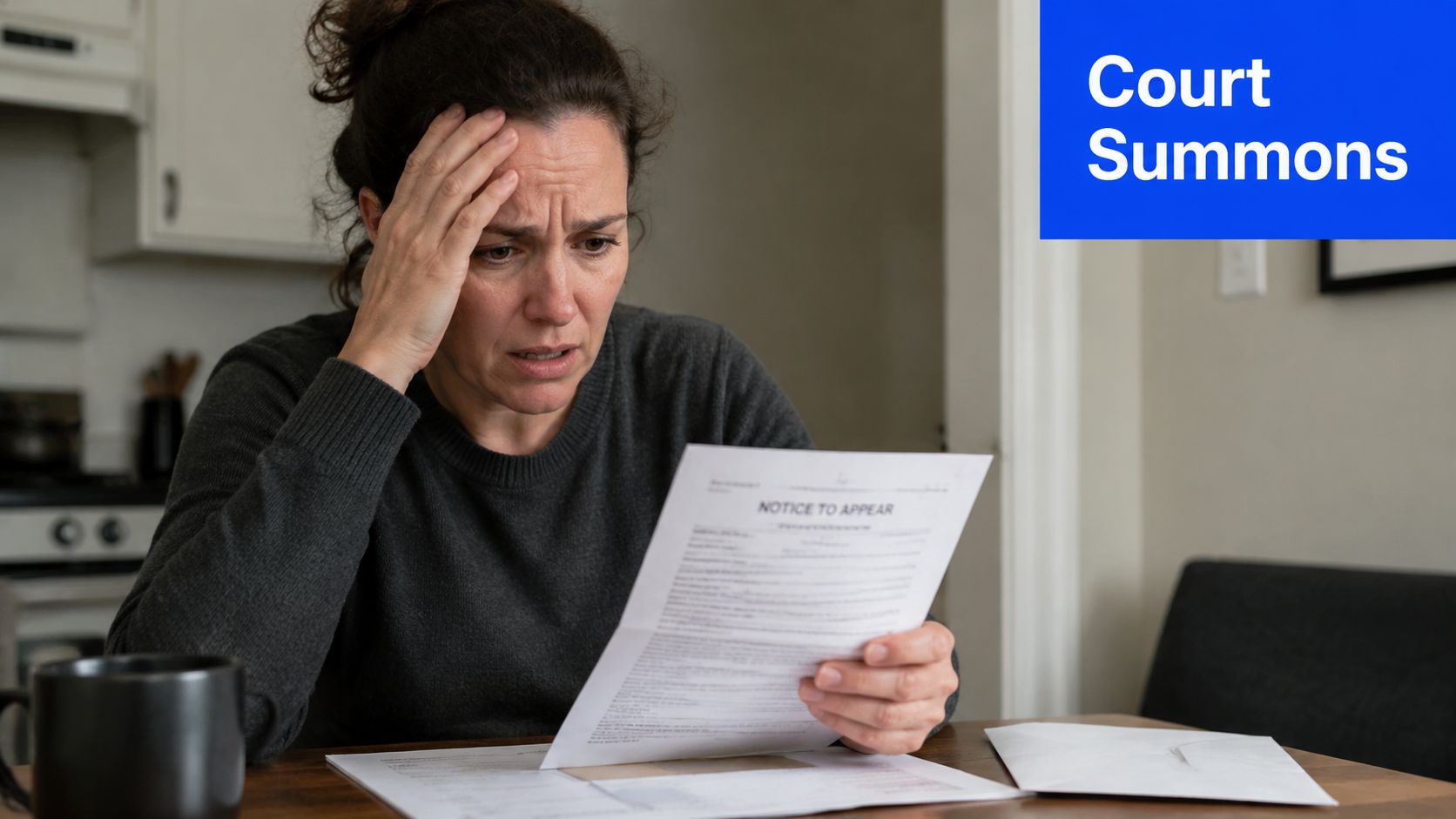
Si está intentando orientarse rápidamente, un centro de defensa de DUI en Florida más amplio puede ayudarle a comprender dónde encaja la lectura de cargos en el contexto general del caso.
Tabla de Contenidos
Primeros pasos para afrontar su lectura de cargos por DUI en Florida
La cronología de la lectura de cargos y el procedimiento judicial
Presentación de su declaración: No Culpable, Culpable o No Contesto
La audiencia del DMV: Su licencia tiene un plazo independiente
Preguntas frecuentes sobre su lectura de cargos por DUI en Florida
Primeros pasos para afrontar su lectura de cargos por DUI en Florida
La mayoría de los clientes comienzan en la misma situación. Han sido arrestados o han recibido documentación tras una detención de tráfico. Reconstruyen mentalmente las preguntas del oficial, preguntándose si la prueba de alcoholemia, los ejercicios de sobriedad en el sitio o las declaraciones en la carretera significan que el caso ya está perdido. No es así.
La lectura de cargos por DUI es, fundamentalmente, su primera comparecencia formal en el caso penal. Es importante, pero no porque el juez vaya a decidir su culpabilidad ese día. Importa porque lo que haga a continuación afectará a todo lo posterior, incluyendo su posición de negociación, su estrategia de defensa y, a menudo, su capacidad para seguir conduciendo mientras el caso está pendiente.
Qué debe hacer de inmediato
No intente "explicar" el caso al tribunal antes de comprender las pruebas. No asuma que la documentación cuenta toda la historia. Y no confunda la fecha de corte penal con el problema independiente de la licencia que comienza inmediatamente después de un arresto por DUI en Florida.
Concéntrese en lo básico:
Lea detenidamente cada página: Su notificación, la documentación de la fianza, la citación y cualquier permiso de conducción temporal son de suma importancia.
Agende cada plazo límite: Las fechas de corte siguen un cronograma. Los plazos de la licencia siguen otro.
Conserve los documentos: Guarde la citación por DUI, la notificación de comparecencia, el recibo de la fianza y cualquier documentación del DMV en una sola carpeta.
Evite hablar por teléfono con fiscales o agentes del orden: Las declaraciones imprecisas generan problemas que no tenían por qué existir.
Regla práctica: Los primeros días posteriores a un arresto por DUI son para proteger opciones, no para hacer admisiones de culpabilidad.
Por qué esta audiencia resulta intimidante
Las salas de los tribunales penales del sur de Florida pueden estar muy concurridas y operar con gran rapidez. Los casos se llaman con celeridad. Los jueces esperan que las partes estén preparadas. Ese entorno suele provocar pánico en las personas y llevarlas a hablar cuando no deberían hacerlo.
Eso es un error.
Su lectura de cargos es un acto procesal. Si la aborda como un momento para dar su versión de los hechos, puede perjudicar su caso. Si la trata como el primer paso controlado de una defensa legal, la estará afrontando de la manera correcta. Esta mentalidad es fundamental si se enfrenta a un DUI por delito menor, a una acusación de DUI por delito grave o a asuntos relacionados con delitos de tránsito, problemas de registro e incautación, violaciones de libertad condicional o antecedentes penales.
Qué es y qué no es una lectura de cargos por DUI
La lectura de cargos por DUI constituye el inicio formal del caso judicial. En términos sencillos, es la audiencia donde el tribunal le comunica los cargos imputados, le informa sobre sus derechos y le solicita que presente su declaración.
Eso es todo. No es un juicio. No es un minijuicio. Y, por lo general, no es el día en que el juez decidirá si el proceder de la policía fue el correcto.
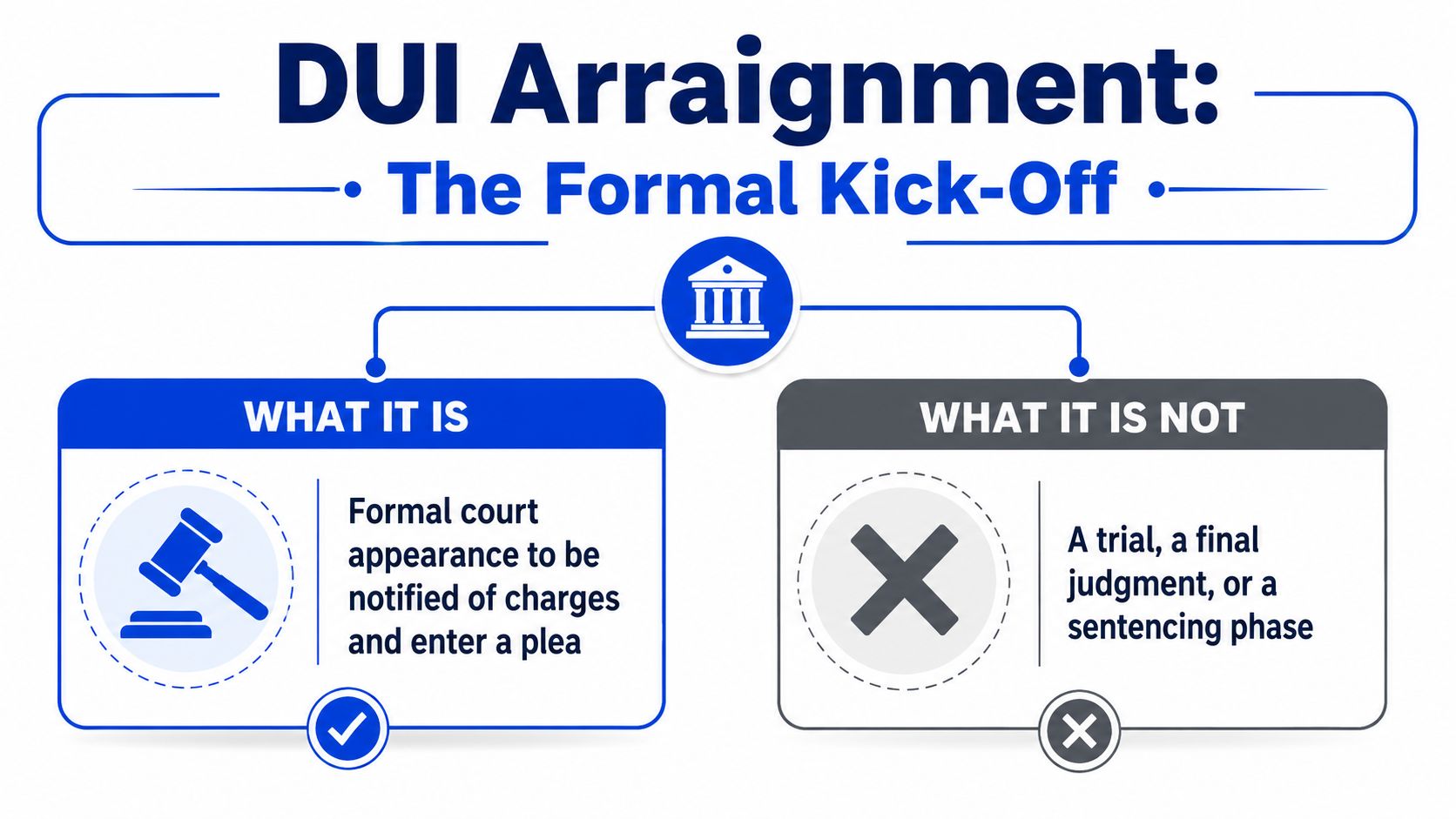
Qué sucede en el tribunal
En una lectura de cargos por DUI en Florida, el juez sigue un proceso legal obligatorio. Tal como se explica en la discusión de FindLaw sobre la lectura de cargos por DUI, el tribunal lee formalmente el cargo, como una imputación bajo el Estatuto de Florida 316.193, advierte al acusado sobre sus derechos constitucionales, y la audiencia actúa como el detonante para la etapa de descubrimiento, donde el fiscal debe entregar el expediente del caso.
Esto es relevante porque la disputa principal en un caso de DUI suele comenzar después de la acusación. La defensa necesita los informes, grabaciones de video, registros de pruebas y notas de los oficiales antes de poder tomar cualquier decisión fundamentada.
Qué no es la lectura de cargos
Las personas entran al tribunal pensando que el juez escuchará al oficial, revisará las cámaras corporales y decidirá quién dice la verdad. Generalmente, eso no ocurre en la lectura de cargos.
Esto es lo que esta audiencia no representa:
Qué no es | Por qué es importante |
|---|---|
No es un juicio | Por lo general, los testigos no testifican |
No es una sentencia definitiva | No se espera que usted pruebe su inocencia ese día |
No suele ser la fase de condena | La imposición de la pena generalmente sigue a una declaración de culpable o de no contesto |
La lectura de cargos inicia el caso. No lo da por concluido.
Por qué esta distinción le protege
En esta etapa, muchos acusados bajo estrés se perjudican a sí mismos. Piensan que guardar silencio proyecta una mala imagen, o que declararse no culpable suena deshonesto. Ninguna de las dos cosas es cierta. Los derechos constitucionales sobre los que el juez le advierte están ahí por una razón.
Si ha estado buscando información sobre qué sucede en una lectura de cargos por DUI, la respuesta más clara es esta: el Estado presenta formalmente la acusación, el tribunal confirma sus derechos y usted preserva o renuncia a ciertas opciones según la declaración que presente. Es por ello que esta audiencia es procesal, pero aun así de vital importancia.
La cronología de la lectura de cargos y el procedimiento judicial
Los plazos dependen en primer lugar de la situación de detención del acusado. Según esta explicación sobre los plazos judiciales en casos de DUI, la ley de Florida exige que la lectura de cargos por DUI se realice dentro de las 48 horas posteriores al arresto para aquellos acusados que permanezcan bajo custodia. Si la persona fue liberada bajo su propio compromiso (O.R.) o pagó fianza, la lectura de cargos puede programarse para más adelante, habitualmente dentro de un plazo de 30 a 60 días, dependiendo de la agenda del tribunal local.
Es por esto que una persona puede comparecer ante el juez de manera casi inmediata, mientras que otra recibe una fecha de corte semanas después en los condados de Broward, Miami-Dade o Palm Beach.
Cómo es habitualmente la sala del tribunal
Olvídese de la versión de los tribunales penales que se muestra en televisión. Una sesión real de lectura de cargos suele ser concurrida, ruidosa y rápida. El juez puede manejar numerosos casos en una sola sesión. Su audiencia podría durar muy poco tiempo, a pesar de haber esperado horas para ser llamado.
Mantenga el orden en un día que puede resultar caótico:
Lleve identificación oficial: Una licencia de conducir u otra identificación válida ayuda a evitar confusiones innecesarias.
Lleve los documentos judiciales: La notificación de comparecencia, la citación, los documentos de fianza y cualquier correspondencia enviada por el secretario deben estar con usted.
Vista adecuadamente para el tribunal: La vestimenta formal y conservadora es la opción más adecuada.
Hable de manera concisa: Responda únicamente a las preguntas del juez. No declare voluntariamente sobre los hechos del caso en la sala abierta.
Qué hará realmente ese día
Se registrará a su llegada, esperará a que se llame su caso, comparecerá ante el juez y abordará los asuntos fundamentales del proceso. Si un abogado comparece en su representación en un caso calificado de delito menor, esto puede modificar la necesidad de asistir personalmente. No obstante, nunca asuma esto sin una confirmación previa.
Una lista de verificación básica le será de ayuda:
Confirme la sala del tribunal y la hora con suficiente antelación
Llegue antes de que comience la sesión
Silencie su teléfono móvil
No discuta los hechos del caso con el fiscal en los pasillos
Preste atención a las condiciones dictadas o a las fechas futuras
Si la legalidad de la detención, el arresto, las pruebas o el registro se disputan más adelante, una moción de supresión de pruebas puede resultar fundamental para la defensa. Si desea una perspectiva de lectura sencilla, esta guía sobre lo que significa una moción para suprimir pruebas explica cómo las violaciones constitucionales pueden cambiar el rumbo de todo el caso.
El tribunal avanza con rapidez. Su preparación jurídica debe completarse antes de que pronuncien su nombre.
Un matiz de Florida que muchas personas pasan por alto
En Florida, la primera comparecencia no siempre recibe la denominación exacta que las personas esperan. Algunos tribunales emplean un formato de "audiencia inicial" que aborda los mismos aspectos prácticos que habitualmente se conocen como lectura de cargos. Para el cliente del caso, la denominación técnica es menos relevante que las consecuencias legales. Su primer acto judicial puede activar inmediatamente plazos determinantes, decisiones estratégicas y el inicio de la etapa de descubrimiento de pruebas.
Esta es una de las razones por las que el asesoramiento informal de internet puede resultar perjudicial. Se suele esperar una audiencia posterior dramática que nunca llega en la forma imaginada.
Presentación de su declaración: No Culpable, Culpable o No Contesto
Esta es la decisión de mayor trascendencia en la lectura de cargos. El tribunal le requerirá una declaración de culpabilidad, y sus opciones legales son no culpable, culpable o no contesto (nolo contendere).
Mi criterio jurídico es firme. En prácticamente cualquier lectura de cargos por DUI, la acción procedente es declararse no culpable.

Tal como se expone en el análisis del CRAUT Law Group sobre las declaraciones procesales estándar, las declaraciones de no culpable se presentan en aproximadamente el 90 a 95 por ciento de los casos de lectura de cargos por DUI, dado que esta alternativa resguarda el derecho a impugnar las evidencias y estructurar una defensa legal sólida.
Qué significa realmente cada declaración
A continuación, la explicación práctica de los términos:
Declaración | Efecto legal | Consecuencia principal |
|---|---|---|
No Culpable | Exige al Estado la demostración plena del caso | Preserva sus defensas, mociones y capacidad de negociación |
Culpable | Admite formalmente el cargo formulado | Abre paso inmediato a la condena y sentencia penal |
No Contesto | Acepta la sanción penal sin disputar formalmente los hechos | Suele asimilarse a una declaración de culpabilidad en sede penal |
La declaración de no culpable no representa una afirmación personal de que nada haya ocurrido. Es una decisión de estrategia legal por la cual se exige que la fiscalía demuestre formalmente y de conformidad con la ley la acusación formulada en su contra.
Por qué declararse no culpable suele ser la decisión más inteligente
En causas por DUI, el material probatorio posee habitualmente un carácter técnico más complejo de lo que suele estimarse. La defensa legal requiere examinar rigurosamente:
La detención inicial: ¿Existía fundamento legal para ordenar que se detuviera su vehículo?
Las apreciaciones del oficial: ¿Resultaban objetivas o exageradas las supuestas señales de embriaguez?
Pruebas de sobriedad en el sitio: ¿Fueron instruidas y conducidas de conformidad con los protocolos?
Análisis de sangre o de aliento: ¿Se respetaron rigurosamente los procedimientos y están completos los registros técnicos?
Este análisis detallado se desarrolla tras la apertura formal de la causa. Si introduce una declaración de culpabilidad anticipada, perderá la oportunidad de detectar fallas formales o probatorias de la acusación.
Dispone aquí de un análisis de consulta útil previo a resolver sobre su nivel de exposición legal. Evalúe las sanciones por DUI en Florida con objetividad y sin caer en desesperación.
Un recurso visual rápido puede ayudar antes de profundizar más.
Por qué la declaración de no contesto se suele malinterpretar
Muchos acusados asumen erróneamente que la declaración de "no contesto" representa una postura intermedia de menor riesgo. Por lo general, no es así. En la sesión de lectura de cargos, esta declaración acelera el paso hacia la sentencia y neutraliza de forma anticipada su margen de negociación procesal.
Declararse no contesto en etapas tan tempranas equivale frecuentemente a declararse culpable bajo una denominación jurídica distinta.
De ahí mi insistencia sobre esta materia. Sin haber analizado de forma oportuna las pruebas de cargo, examinado la legalidad del arresto presenciado, evaluado el rigor del examen químico e integrado las derivaciones sobre la licencia de conducción, resulta imprudente declinar derechos sustantivos durante la lectura de cargos.
Navegando la fianza y las condiciones de liberación
Los ciudadanos sujetos a un proceso penal por DUI se formulan comúnmente una pregunta inmediata. ¿Debo permanecer privado de libertad mientras se resuelve el caso?
En infracciones iniciales sin agravantes dentro de Florida, la respuesta ordinaria suele ser negativa. Según constatan las directrices de The Law Place sobre audiencias por DUI, la fianza se establece de ordinario en $0 dólares o se decreta la liberación bajo palabra (O.R.), aun cuando el juzgador conserva la facultad de fijar condiciones de libertad, tales como la obligatoriedad de un dispositivo de bloqueo de encendido si el nivel de alcohol registrado igualase o superase el 0.15%.
Cómo suele ser la liberación
Si la causa penal califica como un delito menor de DUI inicial, carente de agravantes significativos, la viabilidad de la liberación es común. El juzgador sopesará el nivel de riesgo procesal, los antecedentes del imputado y la disposición de este para cumplir los requerimientos judiciales venideros.
Esto no presupone que su liberación carezca de restricciones.
El órgano judicial se encuentra facultado para imponer medidas cautelares tales como:
Prohibición absoluta de ingesta alcohólica
Sometimiento a exámenes de detección imprevistos
Restricciones de tránsito territorial
Instalación de alcoholímetro de encendido en supuestos específicos
Otras órdenes de cumplimiento ligadas a los hechos acusados
Por qué las condiciones de liberación importan más de lo que la gente piensa
Ciertos acusados dirigen todo su empeño hacia la obtención de la salida física, descuidando las especificaciones de la resolución judicial. Ello constituye una falta grave. Las medidas de liberación conllevan apercibimiento judicial; su inobservancia puede estructurar una infracción autónoma e independiente de la acusación de DUI.
Importante: Las condiciones de libertad bajo fianza únicamente resultan útiles si se dispone de la capacidad real para darles observancia estricta.
El diseño de un plan de defensa personalizado cobra especial relevancia en estos escenarios. Aquellas personas cuyas labores requieran traslados permanentes, con responsabilidades de custodia familiar o con trayectos extensos en el sur de Florida, precisarán de términos que no comprometan su subsistencia física y familiar. Los tribunales no contemplan estas realidades específicas a menos que la defensa las formule de manera técnica ante el juez.
Preocupaciones por delitos menores y delitos graves
Un procedimiento ordinario por delito menor dista sensiblemente de una acusación por DUI grave o con saldo de lesiones. Las determinaciones sobre fianza, vigilancia y restricciones procesales se evalúan con un estándar de mayor severidad por parte del órgano judicial cuando se enfrenta el riesgo de una imputación penal grave o ante la concurrencia de reincidencia.
Esta misma severidad procesal rige para otras áreas de la práctica legal, abarcando alegaciones de violencia doméstica, imputaciones en materia de armas, delitos relacionados con narcóticos, delitos contra el patrimonio, infracciones con violencia, causas de menores, procesos federales y criminalidad corporativa o de cuello blanco. Los pronunciamientos sobre fianza y liberación en stages preliminares condicionan el desarrollo del caso en su conjunto.
La audiencia del DMV: Su licencia tiene un plazo independiente
Este aspecto procesal representa una cuestión recurrente que es frecuentemente soslayada en manuales genéricos de DUI. Su procedimiento judicial en lo penal y el estatus de su licencia de conducir están regulados bajo órdenes y agencias diferentes.
El órgano judicial del ámbito penal entiende sobre la culpabilidad o la inocencia respecto del cargo, en tanto que la vía administrativa dirime exclusivamente su derecho a circular. Ambas causas operan sobre carriles autónomos, y las sanciones de la administración sobre su licencia pueden verse materializadas antes que las del ámbito judicial.

Siguiendo el análisis técnico del bufete Kelly Farrish Law sobre el enjuiciamiento por DUI en Florida, de mediar declaración de no culpable y pasarse a la etapa preparatoria del juicio, todo imputado que haya declinado someterse al control de alcoholemia, enfrentará una suspensión administrativa automática de su licencia por un lapso de 12 meses, la cual debe recurrirse por una vía técnica autónoma frente a los tribunales del área penal.
Por qué la lectura de cargos y el problema de su licencia están relacionados
Aun cuando se traten de procedimientos formalmente separados, se encuentran estrechamente vinculados desde el punto de vista de la estrategia legal. Las determinaciones procesales coordinadas al inicio del caso condicionan el ritmo de actuación de la defensa, la obtención y análisis del acervo probatorio, y el vigor con que se ejerce la contradicción técnica de los cargos penales. El término legal de su privilegio para conducir no aguarda a que el tribunal penal defina la causa de fondo.
Es por ello que un arresto por DUI en el estado de Florida constituye en propiedad un único conflicto legal proyectado sobre dos frentes jurídicos distintos.
El siguiente cuadro ilustrativo destaca dicha dualidad de procesos de manera clara:
Vía judicial de carácter penal | Vía administrativa del registro vial |
|---|---|
Su propósito es establecer si la acusación de DUI cumple con los elementos del delito | Versa sobre la procedencia de suspender el derecho a la conducción |
Tiene sustanciación y trámite ante juzgados del orden penal | Se tramita formalmente ante el organismo administrativo estatal de licencias (DMV) |
Puede deparar sanciones restrictivas de libertad o multas judiciales | Puede inhabilitarle para conducir antes del inicio del juicio oral |
Qué hacer si conducir es fundamental para su vida
Para una proporción considerable de los residentes de Fort Lauderdale, Broward County, Miami-Dade o Palm Beach, la inhabilitación del derecho a circular transciende una mera incomodidad. Supone frecuentemente una amenaza directa sobre la estabilidad de su empleo, sus responsabilidades de asistencia familiar y las bases materiales de subsistencia básica.
De hallarse ya bajo efectos de sanción de inhabilitación o con riesgo inmediato de estarlo, busque asistencia legal cualificada sobre los medios técnicos para la reactivación oportuna de sus derechos vehiculares. Las directrices sobre cómo restituir una licencia que ha sido suspendida constituyen un recurso idóneo para dar inicio a estas acciones de defensa.
El error que observo con más frecuencia
Los imputados incurren con frecuencia en el error de estimar que su simple apersonamiento ante la sala de justicia extingue las complicaciones de la imputación por DUI. No es así. Atender los requerimientos del juzgado penal no ampara de manera refleja la vía de su licencia de conducción. Más aún, toda declaración formulada ante el juez penal incidirá en sus derechos fuera de este tribunal.
Si lo que persigue es el entendimiento real de qué ocurre bajo una audiencia de lectura de cargos por DUI, requiere analizar el panorama en toda su extensión técnica. En esta audiencia formal se presentará una declaración, se definirán plazos, se resguardarán u omitirán defensas de derecho, mientras que de modo concurrente su facultad para operar un vehículo automotor puede verse afectada bajo plazos perentorios en una vía paralela.
Preguntas frecuentes sobre su lectura de cargos por DUI en Florida
¿Puede mi abogado comparecer por mí en una lectura de cargos por DUI en Florida?
Bajo ciertos supuestos formales, sí. En diversas causas calificadas de delitos menores, su representación técnica de defensa se encuentra facultada para formalizar la comparecencia y dar curso a la lectura de cargos sin imperativo de su presencia en la sala. Ello se halla sujeto a las políticas internas de cada corte judicial, de la gravedad del delito atribuido y de las particularidades de la causa penal. Evite resoluciones basadas en supuestos especulativos; verifique este extremo de forma segura con su defensor legal.
¿Qué sucede si no asisto a mi lectura de cargos?
La incomparecencia injustificada en sede judicial es uno de los factores de mayor riesgo que puede complicar severamente un proceso manejable por delito de DUI. Si desatiende el llamamiento judicial de lectura sin la debida justificación de derecho presentada por su abogado, el juez procederá al libramiento inmediato de una orden judicial de detención (bench warrant).
¿Se me dictará sentencia en la lectura de cargos?
Ordinariamente no, salvo el caso en que opte por introducir una declaración de culpabilidad o de no contesto (nolo contendere). De formalizar ante el juzgado una declaración de no culpable, la causa proseguirá su correspondiente curso técnico hacia la fase preparatoria donde las evidencias serán objeto de contradicción y análisis de validez por su asistencia legal.
¿Debería hablar con el fiscal antes de la audiencia?
Bajo ningún concepto debe sostener comunicaciones con la fiscalía de manera autónoma y personal. La acusación no tiene encomendadas funciones de asesoría legal para con el imputado. Cualquier aseveración de su parte respecto de la conducción del vehículo, las horas e ingesta, los tests o la legalidad de la interceptación policial, podrá ser incorporada formalmente en su contra por la parte acusadora.
Si requiere expresar precisiones sustanciales de su causa penal, formúlelas de manera reservada frente al criterio de su abogado defensor, y evite compartirlas con la representación del Estado.
¿Es diferente una lectura de cargos por DUI grave de una por DUI menor?
Sí. Aunque comparten en esencia una estructura procesal análoga, el enjuiciamiento de infracciones calificadas como graves (felony) expone al acusado a sanciones de mayor severidad legal. Ello depara de ordinario el establecimiento de condiciones de fianza rigurosas, litigación de mayor complejidad de derecho y riesgos procesales de mayor trascendencia. Si el caso presenta circunstancias como lesiones, alcoholímetro muy elevado o historial penal previo, no debe tratarse como una infracción ordinaria del tránsito.
¿Puedo presentar mi versión de los hechos al juez en la lectura de cargos?
Usted podrá hacer uso de la palabra si el juez le formula una interrogante de modo directo; sin embargo, emitir consideraciones fácticas o narraciones espontáneas sobre la detención o el arresto suele resultar perjudicial para su caso de defensa. La lectura de cargos tiene un fin puramente procesal y de garantía, no es la instancia para desahogar las pruebas o debatir sobre el fondo de la acusación.
¿Qué debo llevar?
Asegúrese de portar su identificación del estado, la citación de comparecencia, la documentación emitida para constancia de su fianza y los registros ligados al estado de vigencia de su licencia de conducir. Procure conservar sus documentos en orden; la falta de organización genera un estrés innecesario que puede evitarse.
¿Afecta la lectura de cargos por DUI a otros asuntos de defensa penal?
Efectivamente, puede tener implicaciones cruzadas. Una imputación pendiente por DUI posee la idoneidad para alterar su estatus frente a regímenes de libertad vigilada vigentes, deparar inhabilitaciones de su licencia de carácter sucesivo y estructurar disputas de base constitucional referidas a violaciones en los registros e incautaciones iniciales de la policía. En determinados supuestos prácticos, los elementos de hecho de la comparecencia pueden dar fundamento para la imputación acumulada de delitos de drogas, tenencia de armas u otros cargos concurrentes.
Si ha sido objeto de detención por presunto delito de DUI en los condados de Broward, Fort Lauderdale, Miami-Dade, Palm Beach o cualquier demarcación del estado de Florida, no comparezca a su lectura de cargos sin la debida preparación técnica. La firma Ticket Shield, PLLC asiste a los ciudadanos en la tutela de sus derechos fundamentales, la impugnación de pruebas que carecen de solidez formal, y en el tratamiento legal coordinado tanto en el ámbito penal como ante las repercusiones de su licencia de conducción de manera previa a que se produzcan perjuicios irreparables en su contra. Contacte con la firma para concertar una consulta bajo estrictas normas de reserva profesional.
¿Le preocupa su comparecencia por cargos de DUI? A continuación, se detalla con precisión lo que acontece en esta primera audiencia y las decisiones que deberá tomar de inmediato.