
Qué es la libertad bajo fianza antes del juicio: Explicación de la ley de Florida 2026
Jason Goldsmith, Esq.
La llamada telefónica suele llegar en el peor momento posible. Un cónyuge comunica que alguien ha sido arrestado en Fort Lauderdale. Un padre se entera de que su hijo se encuentra recluido en la cárcel del condado de Broward. Una novia escucha la frase “lo tienen retenido para la comparecencia inicial” y no tiene la menor idea de lo que eso implica.
La primera interrogante es casi siempre la misma: ¿podrá recuperar su libertad?
Si usted está intentando comprender qué es la libertad provisional bajo medidas cautelares (pretrial release), comience por ahí. La libertad provisional es la determinación judicial de permitir que un individuo permanezca fuera de prisión mientras su causa penal se encuentra en trámite. No constituye una declaración de inocencia, ni tampoco una condena. Se trata de un conjunto de reglas que el juzgador emplea para decidir si una persona puede reincorporarse a la comunidad y, aun así, comparecer ante el tribunal cuando se le requiera.
En los tribunales del sur de Florida, especialmente en Broward, Miami-Dade y Palm Beach, la primera batalla legal no suele ser el juicio oral. Es la libertad inmediata. Lograr la excarcelación con celeridad puede marcar una diferencia trascendental en un caso de conducir bajo los efectos del alcohol (DUI), violencia doméstica, cargos por hurto, arrestos por drogas, delitos de armas o una violación de libertad condicional. Una persona en libertad puede continuar trabajando, colaborar en la obtención de pruebas documentales, mantener su tratamiento médico o social y encarar su defensa desde una posición de estabilidad.
Índice de contenido
Comprensión de las modalidades de libertad provisional en Florida
La audiencia de primera comparecencia en Broward, Miami-Dade y Palm Beach
¿Por qué se fijó fianza? Criterios judiciales para la excarcelación
Cumplimiento de las medidas de libertad condicional para evitar un nuevo arresto
La función del abogado defensor para lograr su libertad provisional
He sido arrestado: ¿qué ocurre ahora?
Un arresto introduce abruptamente a los ciudadanos en un sistema que opera con rapidez extrema y ofrece escasas explicaciones. Es posible que sea sometido a la toma de huellas dactilares, que sea fichado, ingresado a una celda de detención temporal y obligado a esperar una audiencia de control. Paralelamente, su familia intenta averiguar su paradero, si tiene derecho a fianza y cuál será la próxima resolución judicial.
En el estado de Florida, la libertad provisional suele convertirse en la prioridad jurídica inmediata. En términos sencillos, hace referencia a la excarcelación antes de la resolución definitiva de la causa, supeditada al acatamiento de directrices judiciales. En Florida, la libertad provisional bajo palabra es una fianza no pecuniaria en la que el centro de detención libera al procesado de forma gratuita, pero condicionada al cumplimiento estricto de obligaciones, tales como abstenerse de realizar conductas delictivas y cumplir de forma obligatoria las órdenes de alejamiento o de no contacto si estas son dictadas por el tribunal, según se detalla en esta explicación sobre las condiciones de libertad provisional en Florida.
Este punto es crucial debido a que un alto porcentaje de personas asumen que cualquier tipo de fianza exige de forma inexorable el desembolso de fondos económicos. Eso constituye un equívoco legal. Ciertos procesados logran su excarcelación bajo promesa formal de comparecencia. Otros obtienen la libertad condicionada a supervisión. Finalmente, existen supuestos donde se impone consignar una fianza monetaria, acudir a un fiador judicial o regresar ante el tribunal para una vista de fianza de naturaleza más exhaustiva.
Las primeras horas son decisivas
En el sur de Florida, las decisiones procesales primigenias suelen perfilar el curso de todo el litigio. El juez examina minuciosamente la imputación plasmada en el informe de arresto, los antecedentes penales, el arraigo comunitario y si se requiere imponer medidas cautelares adicionales en delitos de violencia de género, conducción delictiva bajo efectos del alcohol (DUI), hurto, narcotráfico, portación ilícita de armas o violación de los términos de una condena condicional.
Criterio jurisprudencial: La libertad bajo fianza busca mitigar riesgos procesales mientras concluye la causa. Su propósito fundamental no es punitivo o sancionador con antelación a una sentencia firme.
Las familias suelen cometer un error recurrente en esta etapa. Enfocan su atención de manera exclusiva en determinar "a cuánto asciende el monto de la fianza" e ignoran las restricciones accesorias inherentes a la libertad. En la práctica procesal, estas medidas de control pueden ser tan rigurosas como las de índole monetaria. Una orden de prohibición de comunicación o acercamiento puede privar a un ciudadano del acceso a su domicilio habitual. Una prohibición de salida del territorio nacional puede frustrar su actividad laboral. Las pruebas toxicológicas periódicas representan una carga cotidiana obligatoria.
Si su proceso se ventila ante los tribunales de Broward, Fort Lauderdale, Miami-Dade, Palm Beach o cualquier otra jurisdicción del sur de Florida, el trámite inmediato suele ser la comparecencia inicial. En esta comparecencia, el juzgador determina la viabilidad de la excarcelación, fija sus condiciones de cumplimiento y evalúa los obstáculos legales que el investigado enfrentará para permanecer en libertad provisional mientras prosigue el procedimiento penal.
Comprensión de las modalidades de libertad provisional en Florida
Las instancias judiciales de Florida aplican diversos niveles de limitación a la libertad personal. Para mayor claridad analítica, podemos estructurarlos de forma jerárquica. En la base se ubican las restricciones de carácter mínimo. A medida que el órgano judicial detecta un mayor riesgo de fuga o de reiteración delictiva, las condiciones se tornan sustancialmente severas.

La opción de menor restricción
La libertad bajo palabra o bajo el propio compromiso de comparecencia (Release on Recognizance o ROR) implica que el tribunal decreta su excarcelación fundamentada en su promesa formal de asistir a todo acto procesal. No se requiere fianza de depósito pecuniario previa. Esta opción representa el escenario de mayor beneficio procesal, pues evita que una detención penal se desvíe hacia una encrucijada financiera insostenible para el núcleo familiar.
Obtener esta modalidad de libertad provisional no es un hecho aislado en la práctica forense actual. De acuerdo con el reporte sobre prisión preventiva y faltas a la conducta procesal del Buró de Estadísticas de Justicia de los Estados Unidos en los tribunales federales de distrito, durante los años fiscales del 2011 al 2018, un 32 % de los acusados obtuvo su libertad previa al juicio, y de esta proporción, el 76 % accedió a este beneficio procesal libre de cargas económicas directas.
No obstante, el juzgador conserva la facultad de imponer medidas accesorias no económicas incluso al decretar la libertad bajo promesa formal, tales como comparecencias periódicas obligatorias, prohibiciones de aproximación y notificaciones judiciales automatizadas.
Cuando el factor económico interviene en la fianza
La fianza en efectivo (cash bail) exige la entrega de un importe dinerario específico ante el tribunal o dependencia de custodia para garantizar la puesta en libertad. Si el depósito se formaliza conforme a las normas procesales y el investigado comparece sin falta ante los juzgados, el destino del dinero quedará sujeto a las restituciones que regulen las leyes procesales locales. Para la mayoría de los familiares, la dificultad principal estriba en la inmediatez de la disponibilidad líquida.
La fianza por medio de aseguradora o fiador (surety bond) se gestiona cuando un agente autorizado de fianzas garantiza la liberación. Como contraprestación, los familiares abonan por lo general un porcentaje de honorarios del fiador no reembolsable y suscriben contratos de garantía colateral. Se recurre de manera recurrente a esta vía en el sur de Florida cuando el monto de la fianza fijado judicialmente excede la capacidad de pago directo del núcleo familiar.
La audiencia de Nebbia (Nebbia hold) es una figura de naturaleza especial. En procesos por delitos graves, el juez puede suspender temporalmente el cobro de la fianza y convocar a una comparecencia de justificación de fondos. El debate jurídico no gira en torno a la solvencia, sino al origen lícito del capital que se ofrece en garantía. Esta retención retrasa la salida del centro de detención, aun cuando la fianza esté lista para depositarse.
Condiciones de control de máxima rigurosidad
Ciertas personas consiguen su excarcelación, pero supeditadas a una vigilancia de carácter estrecha por parte del Estado:
Supervisión por servicios previos al juicio (pretrial services): puede constar de firmas ante la oficina de control, asesorías obligatorias u otros comportamientos mandatorios.
Dispositivos de monitoreo satelital o electrónico (grilletes): permiten el rastreo de geolocalización continua en tiempo real.
Arresto domiciliario o regímenes de toque de queda: restringen de manera severa el desarrollo de actividades cotidianas fuera del domicilio, a pesar de que el individuo permanezca formalmente fuera de un centro de reclusión habitual.
La orden de libertad provisional puede dar una apariencia de viabilidad sobre el papel, pero representar un reto de gran complejidad fáctica en la rutina diaria. Los detalles formales son determinantes.
Para algunos acusados, concretamente en ilícitos que no conllevan violencia física, una solución propicia suele incluir mecanismos alternativos para solucionar controversias que evaden la imposición de una fianza procesal ordinaria, tales como los programas de desvío de la acción penal. Si le interesa evaluar si un expediente específico cumple los requisitos de ley para acceder a una alternativa procesal de esta naturaleza antes que a un juicio penal tradicional, le sugerimos analizar detalladamente esta guía de programas de intervención previa al juicio en Florida.
Habiendo ejercido la función de fiscal en el pasado, se aprende a discernir de inmediato que la magistratura judicial no pondera las conductas de la misma forma. Un arresto inicial de menor gravedad por hurto famélico en comercio se evalúa bajo un estándar muy distinto al de un caso de supuesta violencia de género con petición expresa de protección civil, un tráfico de estupefacientes a gran escala o un delito capital de armas. Las características de la libertad provisional decretada no responden únicamente al tipo penal, sino al nivel de certeza o incertidumbre que manifiesta el juez respecto a la comparecencia y al orden público.
La audiencia de primera comparecencia en Broward, Miami-Dade y Palm Beach
La vista de control o primera comparecencia personal posterior a la aprehensión policial suele ser el primer análisis sustantivo de legalidad que realiza el órgano jurisdiccional. En los distritos judiciales de Broward, Miami-Dade y Palm Beach, el juez asignado evalúa la existencia de indicios de sospecha fundada (causa probable), valora los medios de aseguramiento idóneos y pondera la imposición de limitaciones coercitivas.

En los supuestos de familiares que aguardan el desahogo de esta vista inicial, la percepción del proceso puede asemejarse a un sistema despersonalizado y de gran velocidad operativa. Las causas se despachan en cadena. El juez cuenta con un tiempo tasado escaso. La representación de la fiscalía solicitará de manera previsible fianzas pecuniarias considerables, medidas restrictivas especiales o la imposición de prisión preventiva sin fianza. El factor real de cambio radica en la preparación del defensor para presentar con fundamento la realidad del investigado frente a lo plasmado en el parte policial de arresto.
Qué sucede en la comparecencia inicial
Toda sesión ordinaria de primera comparecencia comporta la coparticipación de diversos actores jurídicos:
Sujeto procesal | Facultad o rol primordial |
|---|---|
Juez de control | Valora la sospecha fundada y determina las directrices de la fianza |
Fiscal del Estado | Formula peticiones de prisión preventiva, fianza pecuniaria o restricciones |
Abogado de la defensa | Defiende la reducción de fianza, libertad bajo palabra o delimitación de condiciones |
Personal de servicios previos al juicio | Suministra los reportes históricos y el perfil de arraigo que valora el juzgado |
En gran parte de los escenarios, estas comparecencias se ventilan brevemente y de forma expedita después del arresto físicamente ejecutado. No es materia de esta audiencia decidir respecto a la culpabilidad o inocencia en el fondo de la acusación. Su objeto procesal consiste de manera estricta en validar si la privación de la libertad debe cesar de forma provisional y con apego a qué restricciones.
En la parte sur del estado de Florida, el desenlace de esta audiencia previa incide transversalmente en el desarrollo posterior del proceso penal. Si el tribunal impone la prohibición terminante de toda comunicación o de retorno al domicilio en una supuesta infracción de violencia conyugal, el defendido quedará privado del retorno inmediato a su hogar. Si en un proceso de DUI o en causas con nexo en narcóticos se ordena la instalación de alcoholímetros domésticos o monitoreos constantes, la obligatoriedad comenzará de inmediato. De igual forma, si los montos de garantía se fijan de forma desproporcionada en una acusación penal ordinaria, un cargo por violación de libertad condicional o un presunto ilícito violento, se requerirá de manera inaplazable tramitar una audiencia especial incidental para la reducción del monto de fianza.
Para obtener una visión integral de las fases y actos que se ordenan tras ser liberado provisionalmente, puede consultar este análisis práctico sobre qué ocurre en la comparecencia para la lectura formal de cargos (arraignment).
Cómo determinan los jueces las medidas cautelares
La magistratura no ejerce sus atribuciones de manera puramente empírica o basada en la intuición. Conforme se desprende del sitio especializado Advancing Pretrial y su guía en torno a la matriz de valoración para la libertad provisional, se emplean de modo recurrente escalas de evaluación empíricas de riesgo procesal, las cuales correlacionan la calificación final de un detenido según sus antecedentes de comparecencia (riesgo de no comparecencia al juicio) y la probabilidad de comisión de un nuevo delito para fijar una fianza idónea, respetando el mandato de imperar el uso de medidas de menor lesividad posible o de carácter menos restrictivo.
Esta expresión constituye un pilar del debido proceso penal. La menor lesividad posible consagra una máxima constitucional. Exige al órgano jurisdiccional abstenerse de recargar al procesado con gravámenes o privaciones que no guarden estricto nexo de proporcionalidad con el fin preventivo perseguido.
Detallamos a continuación los perfiles de riesgo más comunes valorados por el tribunal:
Nivel de riesgo aparente mínimo: propiciará de ordinario la concesión de excarcelación bajo palabra o una supervisión gubernamental meramente administrativa.
Perfil de preocupación media: suele generar la imposición de firmas, el sometimiento a programas clínicos o límites territoriales específicos.
Sospecha fundada de alta peligrosidad o riesgo de fuga: conducirá comúnmente a fianzas económicas complejas, monitoreos mediante localización GPS o la pérdida temporal del beneficio de libertad.
El siguiente contenido audiovisual brinda una explicación gráfica pormenorizada de los actos de libertad provisional y las pautas seguidas por la autoridad judicial en la toma de estas decisiones:
La comparecencia de control inicial no es un mero formalismo. Es la oportunidad procesal óptima para evitar que un arresto inicial culmine en una detención arbitraria e innecesaria.
Dicho axioma se acentúa en el espacio judicial del condado de Broward y de la zona sur de Florida, áreas caracterizadas por la saturación de expedientes, donde una defensa letrada focalizada y asertiva se vuelve imprescindible.
¿Por qué se fijó fianza? Criterios judiciales para la excarcelación
Cuando los allegados de un arrestado inquieren las razones de una fianza severa, desearían escuchar respuestas sencillas. Sin embargo, en el ámbito forense no existen soluciones lineales. El juzgador debe ponderar armónicamente el aseguramiento del procesado a juicio, la defensa integral de la comunidad afectada y los elementos fácticos singulares que rodean el ilícito. En la dinámica del foro, ciertos elementos objetivos poseen mayor peso procesal.
La norma sustantiva frente a lo cotidiano en los tribunales
Aunque los mandatos constitucionales vigentes exigen la razonabilidad de las medidas restrictivas y privilegian la libertad personal frente a la prisión provisional, la historia policial pasada del detenido con frecuencia eclipsa los argumentos presentes de la defensa. Un análisis estadístico elaborado por el Laboratorio de Resiliencia ante el Riesgo de la Universidad de California en Berkeley acreditó que la existencia de arrestos y sentencias penales pretéritas tiende a "minimizar o anular la ponderación de otras virtudes individuales" durante la determinación de libertad provisional, impulsando a los juzgadores a ordenar fianzas en dinero real o monitoreos de geolocalización, incluso en imputados con perfil presente de baja conflictividad, tal como se especifica en el artículo técnico de UC Berkeley sobre la toma de decisiones previas al juicio penal.
Esa desconexión jurídica entre lo formal y lo real suele deprimir y desconcertar a los familiares, quienes centran su visión en testimonios objetivos positivos: el imputado cuenta con empleo estable, posee residencia fija en esta comunidad, sostiene económicamente a sus dependientes y el delito imputado reviste menor violencia que lo descrito en el reporte policial inicial. No obstante, el órgano jurisdiccional frecuentemente canaliza su atención en los antecedentes penales registrados, inasistencias pasadas a citatorios judiciales o el quebrantamiento de condenas de prueba previas.
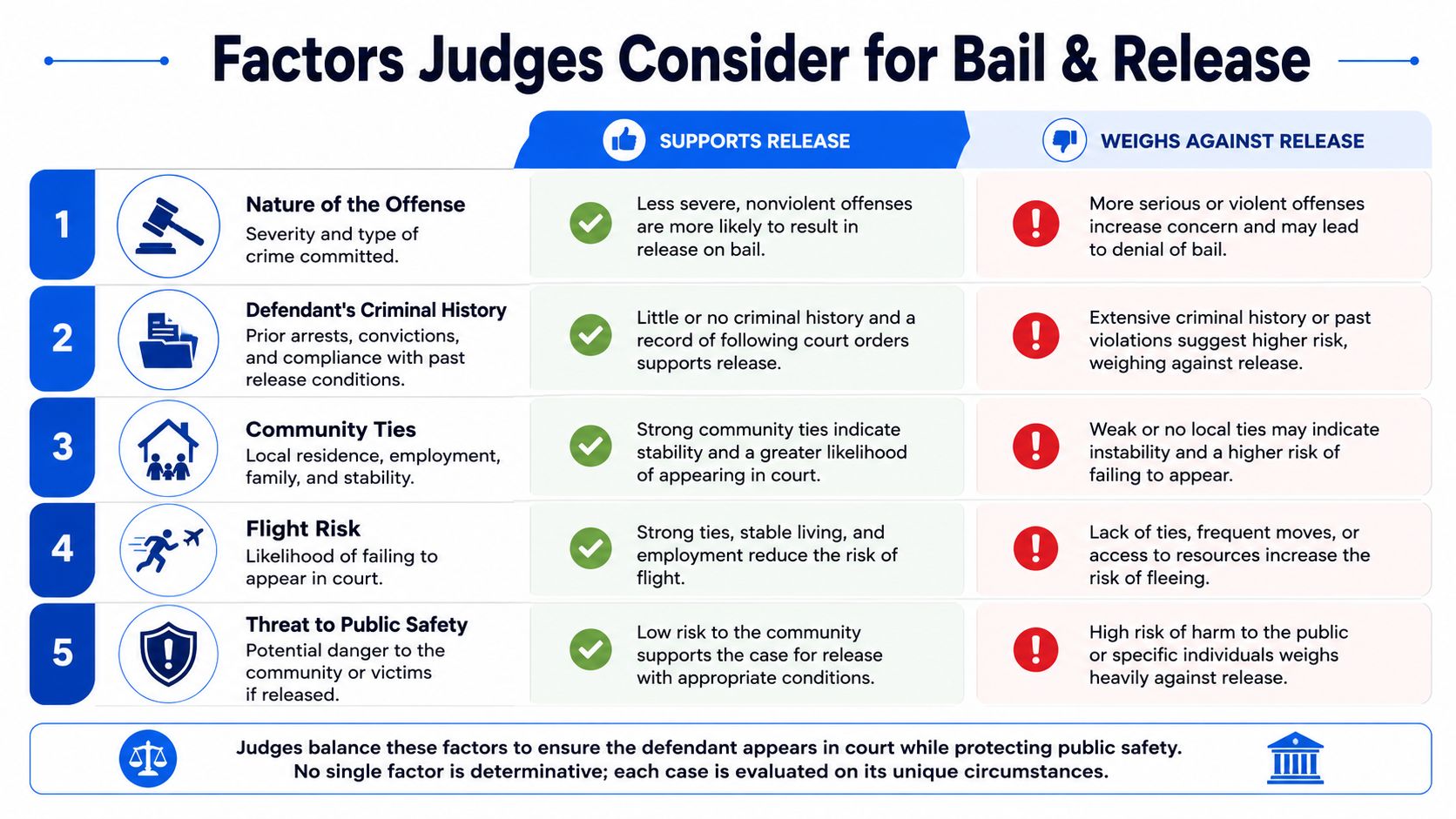
Factores que benefician y factores que perjudican
Un juez asignado a los distritos judiciales de Broward o Miami-Dade ponderará generalmente una amalgama de circunstancias prácticas de la causa:
Tipicidad y gravedad del cargo imputado: las imputaciones por violencia intrafamiliar, delitos portando armas de fuego, ilícitos contra la integridad física, o violaciones graves de probatoria reciben un escrutinio judicial riguroso comparado con infracciones patrimoniales de baja cuantía o faltas graves de tránsito.
Ficha de antecedentes penales: los registros delictivos antiguos no activos continúan incidiendo de forma importante en el criterio judicial sobre la fianza, más de lo que estima el ciudadano común.
Vínculos de residencia y estabilidad: poseer vivienda fija demostrable, parientes con residencia legal y un historial de trabajo regular favorecen las pretensiones de libertad al disminuir el riesgo objetivo de fuga.
Riesgo acreditado de incomparecencia: las inasistencias injustificadas a citaciones anteriores conllevan repercusiones negativas sustanciales, independientemente de que existan excusas razonables formuladas con posteridad.
Peligro para la víctima y terceros: si el juzgador detecta indicios racionales de daño potencial para la persona denunciante o la sociedad civil, las condiciones de libertad provisional se agravarán forzosamente.
Un aspecto que los clientes no logran identificar tempranamente consiste en que las determinaciones sobre fianza del primer día inciden en la estrategia procesal de fondo del juicio. Si las condiciones originales son excesivas, se deberá formular a la brevedad una moción incidental de modificación de medidas cautelares, alteración de regímenes de visitas o impugnación de la idoneidad de la vigilancia restrictiva. Por otra parte, si nos situamos en la etapa posterior a una condena en primer grado, la fianza previa a una resolución de apelación plantea supuestos jurídicos diversos, por lo cual le sugerimos revisar de manera independiente las especificidades de la fianza durante el recurso de apelación.
El juzgador no limita su examen a la pregunta: "¿cuenta este investigado con los recursos económicos para garantizar el pago?"; sino que interroga: "¿cuáles medidas idóneas me brindan certeza jurídica integral para autorizar su liberación inmediata en el día de hoy?".
En este punto cobra relevancia la debida preparación de la defensa. El representante legal está obligado a proporcionar elementos probatorios contundentes al órgano judicial para sustentar razonadamente la adopción de condiciones mínimas.
Cumplimiento de las medidas de libertad condicional para evitar un nuevo arresto
Lograr la excarcelación constituye un triunfo procesal indiscutible. Perder el beneficio de libertad provisional a causa de descuidos evitables figura entre los contratiempos más dañinos y frecuentes dentro del litigio penal en Florida.
En virtud del precepto legal contemplado en la Sección 903.0471 de los Estatutos de Florida, el tribunal tiene las facultades que le otorga la ley para revocar de oficio la libertad condicional previa y decretar la prisión preventiva obligatoria si constata la existencia de sospecha fundada de que el acusado cometió un nuevo delito o incurrió en violación sustancial de cualquier de las pautas accesorias determinadas con motivo de su fianza. Consiguientemente, un desapego a estas reglas frustra la libertad mucho antes de que el juicio oral se lleve a cabo.
Condiciones recurrentes que provocan complicaciones inmediatas
El riesgo procesal de estas conductas radica en que las violaciones de fianza rara vez se originan en una actitud flagrante de rebeldía. Suelen derivar de acciones cotidianas poco meditadas.
Mandatos de no comunicación o alejamiento: si existe orden judicial de alejamiento, absténgase de llamar por teléfono, enviar mensajes electrónicos directos, usar a un tercero de intermediario o intentar una "conciliación pacífica de mutuo acuerdo" en privado. Si la presunta víctima inicia el contacto o interacción, el mandato dictado por el tribunal conserva pleno vigor legal frente a los particulares.
Límites territoriales de desplazamiento: no abandone los límites territoriales validados judicialmente fundándose en necesidades de carácter personal, laboral o comercial. Todo traslado especial requiere autorización de la autoridad judicial competente previa solicitud formal por escrito.
Cumplimiento de exámenes o tratamientos ordenados: omitir la asistencia a una muestra de control toxicológico se equipara con frecuencia procesal a un resultado toxicológico positivo. Si se le instruye cursar talleres, terapias o supervisiones, asista de inmediato y ordene de manera escrupulosa las constancias respectivas.
Actualización de domicilios y citas de control: si la instancia de servicios previos al juicio determina la obligatoriedad de reportarse, acate estrictamente cada plazo sin dilación alguna.
Cómo se configuran los incumplimientos de fianza
En mi trayectoria profesional, observo de manera constante tres causas por las cuales los procesados incurren en quebrantamiento: primero, omiten leer con detenimiento la orden judicial respectiva; segundo, asumen erróneamente que los desvíos mínimos carecen de trascendencia jurídica; y tercero, confían en que el sentido común prevalecerá por encima del texto literal de la resolución de fianza.
Tal presunción constituye un error con consecuencias graves ante el tribunal.
La resolución judicial que fija condiciones de libertad representa una orden judicial obligatoria y de estricta observancia, no una pauta optativa. Ante cualquier duda interpretativa en el texto, consulte con su abogado defensor antes de actuar.
Le recomendamos adoptar la siguiente metodología práctica:
Obtenga copia fidedigna de toda resolución e instrucción procesal antes de abandonar las dependencias judiciales o de detención.
Examine exhaustivamente cada apartado con especial énfasis en lo tocante a prohibición de contacto, restricciones viales, pruebas médicas, tenencia de armas, labores laborales o residencia autorizada.
Apegue su comportamiento a la interpretación más rigurosa posible de dicha orden judicial, en tanto su equipo legal postule lo contrario.
Recopile constancias de acatamiento por medio de documentos impresos, capturas digitales, recibos de pago, informes de asistencia a cursos o bitácoras oficiales de firma.
Promueva de forma inmediata variaciones de las restricciones si estas impiden el desarrollo de su empleo lícito, el cuidado de menores de edad o el acceso a una vivienda digna.
La observancia de este proceder se vuelve indispensable en la defensa penal de agresiones domésticas, actuaciones de DUI sujetas a prohibición del consumo de licor, causas penales por portación de armas y sustanciaciones por vulnerar suspensiones condicionales de la pena. En estos supuestos de hecho, las magistraturas del sur de Florida actúan habitualmente con máxima celeridad y severidad ante alegaciones de desacato.
La función del abogado defensor para lograr su libertad provisional
La actuación de un profesional de la defensa penal calificado va más allá de un acompañamiento formal durante las audiencias presenciales. Contar con representación técnica temprana influye determinantemente en la viabilidad de la excarcelación, en atenuar las medidas preventivas accesorias y en acelerar el retorno con sus seres queridos.
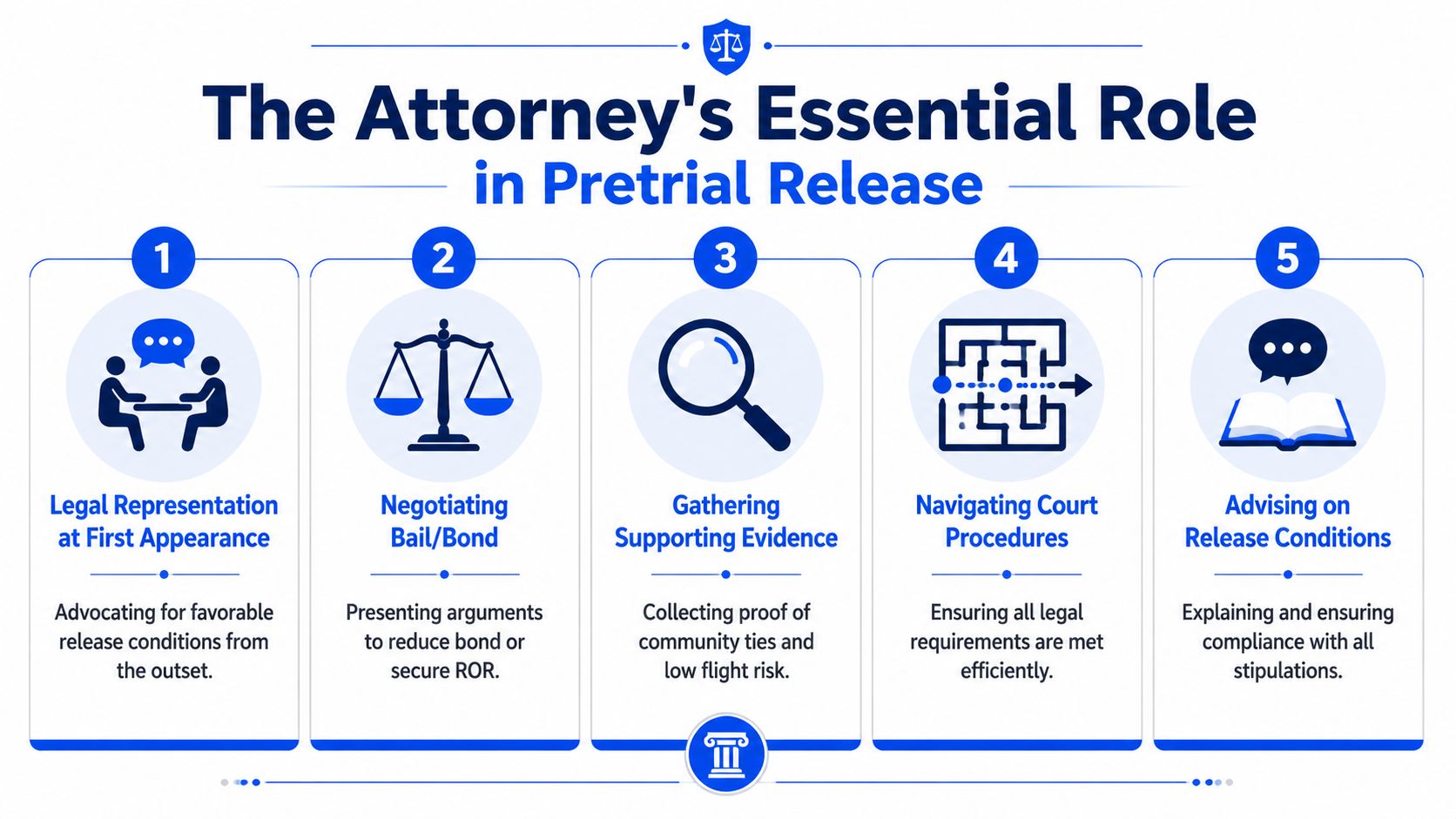
Qué labor realiza un defensor penal antes y durante las diligencias de excarcelación
En toda comparecencia inicial o vista especial incidental de fianza, la defensa técnica idónea se caracteriza por su rigor fáctico. El abogado de la defensa debe suministrar al juzgador elementos de hecho e información objetiva verificable, apartándose de argumentaciones sin sustento.
Dicha labor abarca de forma sustantiva:
Acreditar el arraigo social y estabilidad comunitaria mediante certificaciones de empleo, constancias de nexos de parentesco local, acreditación de vivienda permanente y tratamientos terapéuticos vigentes.
Contrarrestar directamente los perfiles vulnerables del defendido derivados de antecedentes penales no activos, procesos probatorios en curso o sospechas de alteración de probanzas con denunciantes.
Impugnar la causa probable o aparente sospecha fundada cuando el parte oficial de detención o declaración jurada sea notoriamente ambiguo, inconsistente o manifiestamente exagerado.
Oponerse jurídicamente a gravámenes innecesarios tales como cláusulas extensas de alejamiento recíproco, privación desmedida de circulación geográfica o vigilancia técnica que no guarde correspondencia con los hechos reales imputados.
Instar las apelaciones o revisiones subsiguientes en caso de que la garantía dineraria provisoria resulte lesiva o las restricciones fácticas tornen la fianza inejecutable en el día a día.
Haber ejercido previamente la acusación penal otorga al defensor la agudeza forense indispensable para prever las pretensiones y estrategias procesales que desplegará el órgano acusador estatal. Los fiscales estructuran ordinariamente sus mociones enfocándose en riesgos de seguridad social, récords de reincidencia y probabilidades de abandono judicial. Un defensor idóneo que conoce la fundamentación penal de esas estrategias se encuentra preparado para neutralizarlas sólidamente ante el estrado.
La urgencia de una intervención procesal temprana en el sur de Florida
El éxito de las gestiones tendientes a lograr la excarcelación provisional depende drásticamente de la rapidez de respuesta. Si sus familiares aguardan días enteros para reunir pruebas documentales idóneas, es sumamente probable que la primera comparecencia regulatoria de fianza ya haya concluido. Esto no anula las posibilidades de defensa, mas sí condiciona a la representación legal a plantear la revocación de una orden firme, en lugar de haber incidido favorablemente en el criterio judicial al momento de su redacción inicial.
En las demarcaciones geográficas del condado de Broward, Fort Lauderdale, Miami-Dade, Palm Beach y demás juzgados de la región del sur de Florida, una presencia legal de defensa proactiva adquiere carácter prioritario en:
Imputaciones por DUI e infracciones de tránsito complejas donde la suspensión de licencias de conducir, pruebas de sobriedad continuas o trabas espaciales de circulación amenacen directamente la permanencia en el trabajo.
Causas penales por violencia de índole de pareja o intrafamiliar donde de manera automática se ordenan exclusiones forzosas del hogar y pérdida total del contacto con hijos comunes.
Litigios por narcotráfico, posesión de drogas ilegales y delitos de hurto donde la parte acusadora estatal suele fundamentar imperiosamente la urgencia de tutelas y custodias del imputado.
Acusaciones sobre portación ilegal de armas de fuego, ilícitos violentos, delitos de naturaleza sexual, infracciones de competencia juvenil, delitos de cuello blanco o causas criminales federales donde las solicitudes estatales de detención preventiva se tramitan de manera agresiva.
La postulación de una fianza viable debe gestionarse bajo un enfoque eminentemente pragmático. El juzgador exige se le presente un esquema de comportamiento supervisado y de fianza debidamente estructurado en el cual pueda depositar certeza judicial plenamente.
Si usted o un integrante de su núcleo familiar directo acaban de ser detenidos por agentes preventivos, postergar la contratación de servicios jurídicos especializados no redundará en una mejora de la situación procesal de la fianza. La oportuna designación de un profesional legal robustece de manera ostensible las vías para mitigar la fianza exigida, delimitar estrictamente las condiciones limitativas impuestas, tutelar de forma irrenunciable las garantías de orden constitucional del detenido y asegurar que la causa penal se afronte con las ventajas de permanecer en libertad provisional.
Respuestas a sus dudas sobre la libertad provisional
¿Es factible salir en libertad sin realizar desembolso económico?
Así es, en supuestos previstos en la ley. Las instancias judiciales del estado de Florida disponen de facultades discrecionales para ordenar la excarcelación sin depósito de garantía dineraria atendiendo a la gravedad del tipo penal concreto, la ausencia de antecedentes graves y la valoración integral de las dudas procesales de la magistratura. En otros contextos, resultará obligatorio formalizar cauciones dinerarias líquidas, fianzas concertadas por medio de agentes autorizados, regímenes formales de control u otras medidas afines.
Si se deposita la fianza, ¿cuánto tarda en ejecutarse la liberación?
El plazo está supeditado de forma directa al volumen de trabajo de la cárcel, el procesamiento formal de los documentos de fianza y si constan órdenes adicionales de retención emitidas por otras autoridades judiciales que requieran un trámite de aclaratoria administrativo previo. Las demoras pueden obedecer a dinámicas puramente burocráticas internas y de personal del centro de reclusión, y no precisamente a una disposición jurisdiccional desfavorable. Es aconsejable que los allegados constaten la plena inexistencia de retenciones o cargas anexas antes de anticipar una salida de prisión inmediata.
¿Puede el órgano jurisdiccional modificar las condiciones de libertad más adelante?
Afirmativo. La ley confiere atribuciones a los juzgadores para revisar, agravar o mitigar los deberes cautelares fijados con anterioridad si los profesionales a cargo de la defensa letrada postulan y prueban razones formales de peso para ello. Ordinariamente, se requiere entablar una moción incidental de reforma de fianza por escrito, aportar pruebas documentales conducentes y argumentar razonadamente respecto a la falta de idoneidad, desproporcionalidad o inejecutabilidad real que genera continuar aplicando el proveído judicial precedente.
Para profundizar en asesorías profesionales prácticas relativas a procedimientos de naturaleza penal criminal en el estado de Florida, le invitamos a revisar la sección de preguntas frecuentes sobre defensa penal de este bufete de abogados.
Ya sea que usted precise de manera urgente los servicios de un abogado de DUI en Fort Lauderdale, un defensor penal especializado en delitos de drogas en el condado de Broward, un representante experto en defensa frente a violencia doméstica en el estado de Florida, asesoramiento experto sobre las sanciones asociadas a delitos de robo y hurto en Florida, asistencia legal frente a violaciones de condena condicional, defensa letrada calificada en cargos de portación ilegal de armas de fuego en Florida o la tramitación de un expediente de sellado o eliminación de antecedentes penales en el territorio de Florida, la instancia judicial que regula la fianza provisional conforma la primera línea de contención real frente al embate penal. El factor determinante radica en actuar con extrema rapidez, dar pleno acatamiento formal a cada mandato restrictivo de fianza y asegurar la intervención de su abogado defensor con antelación a que sus complicaciones legales adquieran un nivel de gravedad indeseado.
Si usted o un ser querido han sido sometidos a un arresto policial dentro de los límites geográficos del condado de Broward, Fort Lauderdale, Miami-Dade, Palm Beach o cualquier otra demarcación jurisdiccional en el sur de Florida, comuníquese hoy mismo con la firma Ticket Shield, PLLC a fin de concertar una entrevista inicial de carácter enteramente confidencial. Nuestro bufete ofrece servicios de asesoramiento legal permanente, las 24 horas del día, los 7 días de la semana, para patrocinarle eficazmente frente a imputaciones por DUI, violencia intrafamiliar, infracciones de la ley de estupefacientes, cargos patrimoniales, portación ilegal de armas, violaciones de probatorias y demás causas penales por delitos menores (misdemeanors) o delitos graves (felonies) sustanciados a lo largo del estado de Florida. Su intervención judicial temprana resguarda decididamente su libertad ambulatoria, su historial ciudadano y la prerrogativa indiscutible de articular su defensa penal en libertad.
No siempre es necesario el pago de una fianza en efectivo para obtener la libertad. Conozca el funcionamiento del sistema de libertad condicional previa al juicio en Florida y las condiciones que se aplican.